30 Creative DIY Lampshades That Brighten Any Room
Lighting can make or break a room, but buying stylish lampshades from stores gets expensive fast. Many people end up with plain, boring shades that add nothing to their space. DIY lampshade projects are a simple, affordable way to fix that problem without spending a lot. You can create something that actually fits your style.
Most store-bought lampshades look the same. When you make your own, every piece feels personal and unique. These ideas work for bedrooms, living rooms, and even small apartments. You do not need to be a craft expert to try them.
This list covers 30 creative ideas using everyday materials like paper, fabric, rope, and wire. Whether you want something rustic, modern, or boho, there is something here for you. Each idea is easy to follow and budget-friendly. Let’s get started.
1. Mason Jar Cluster Lampshade
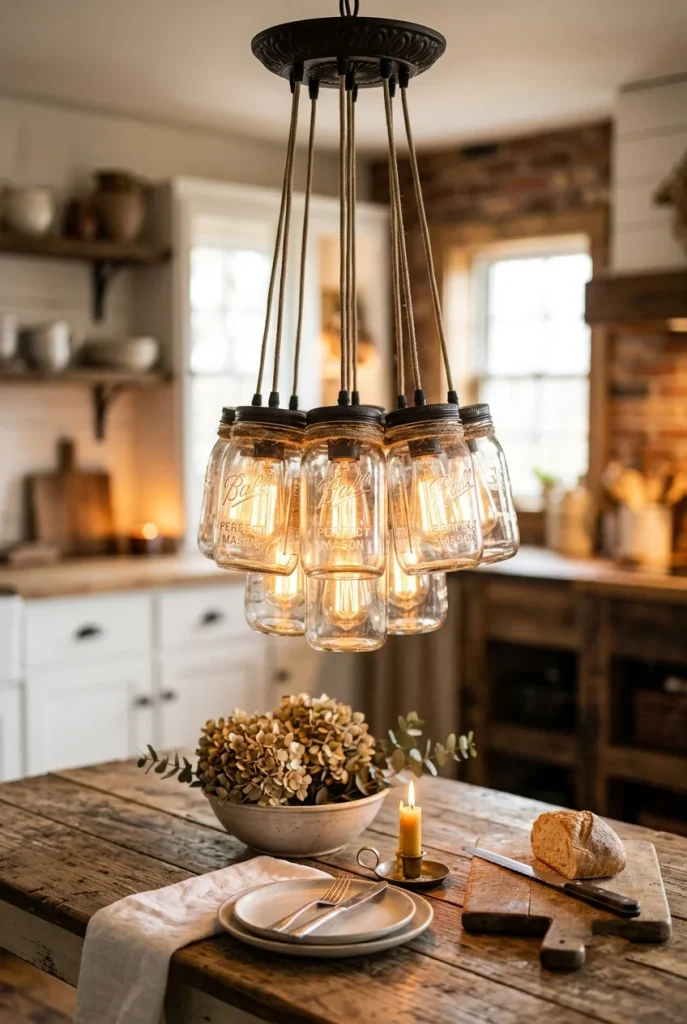
Mason jars are one of the easiest materials to turn into a lampshade. You just need a few jars, a pendant light kit, and some wire to bundle them together. The result is a cluster-style hanging lamp that works perfectly over a kitchen island or dining table. The glass lets the light spread in a warm, inviting glow.
The best part about mason jar lamps is how customizable they are. You can paint the jars, fill them with colored beads, or leave them clear for a clean farmhouse look. Mixing different jar sizes adds visual interest without making things complicated. This project takes less than an hour once you have the materials ready.
For a more finished look, use matching pendant cord colors and hang them at slightly different heights. This creates depth and makes the whole setup look intentional. Mason jar cluster lamps are a favorite on Pinterest for good reason they look expensive but cost very little to make.
2. Woven Rope Lampshade
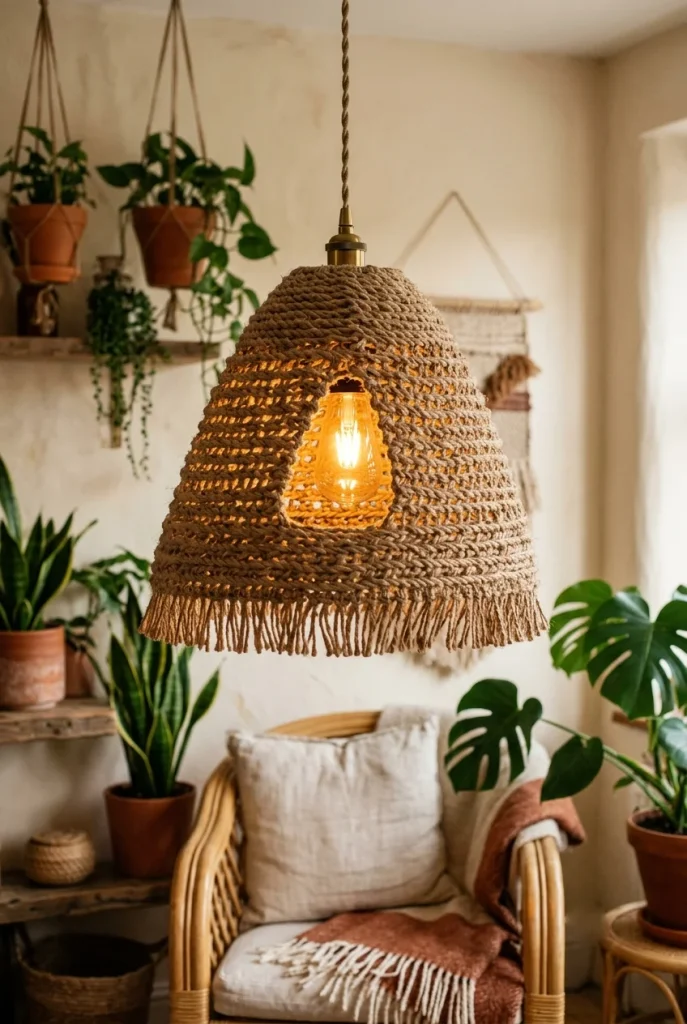
Rope lampshades give any room an instant boho or coastal feel. You wrap thick jute or cotton rope around a plain wire frame, securing it with glue as you go. The texture of the rope creates beautiful light and shadow patterns on the walls when the lamp is turned on. It is one of those projects that looks complicated but is actually very beginner-friendly.
Natural jute rope is the most popular choice because it blends well with earthy, warm-toned interiors. You can also use white cotton rope for a cleaner, Scandinavian look. The tightness of your wrapping affects how much light filters through, so you can adjust it based on how bright you want the room to feel.
A woven rope lampshade works especially well in bedrooms and reading nooks. It pairs nicely with linen cushions, wooden furniture, and indoor plants. Once you finish one, you will want to make several more for different rooms.
3. Fabric Drum Lampshade
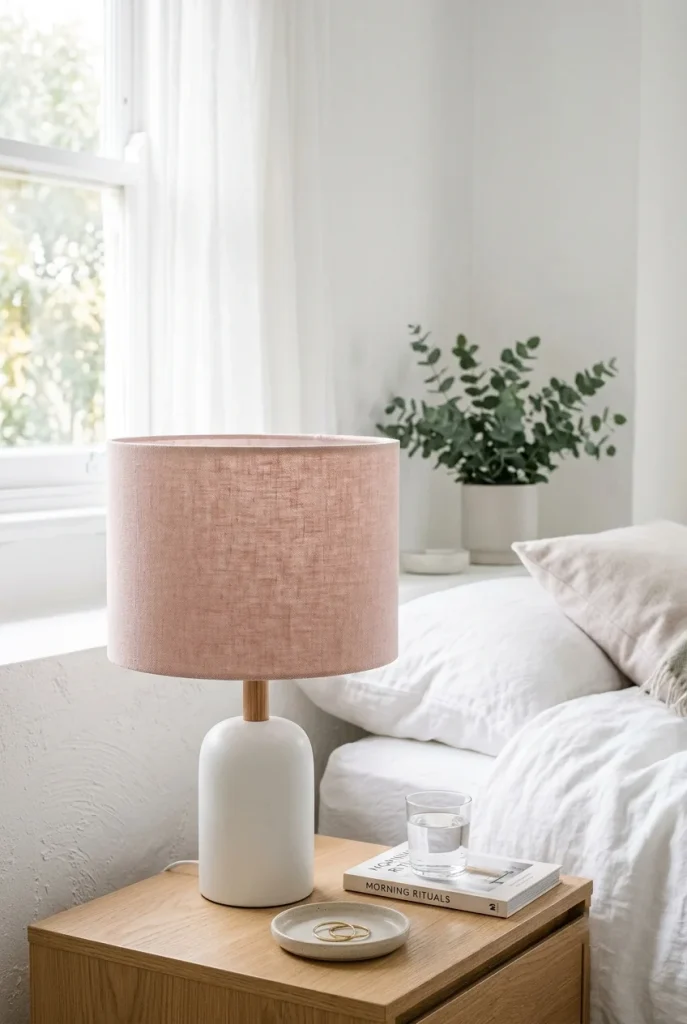
A fabric drum lampshade is a classic DIY project that gives you full control over color and pattern. You start with a plain drum frame and wrap your chosen fabric around it using lampshade adhesive or a styrene backing. The result is a clean, polished shade that looks like it came from a high-end home decor store.
The fabric you choose completely changes the mood of the lamp. A floral cotton print feels playful and cottage-like. A solid linen in a neutral tone looks modern and sophisticated. Velvet fabrics create a moody, luxurious effect that works well in living rooms or home offices. The options are endless because you can use any fabric you already have at home.
This project is great for beginners because the shape is simple and forgiving. If the edges are not perfect, a little trim or ribbon along the top and bottom covers any imperfections. Fabric drum lampshades are also a great way to use up leftover fabric from other sewing projects.
4. Paper Origami Lampshade
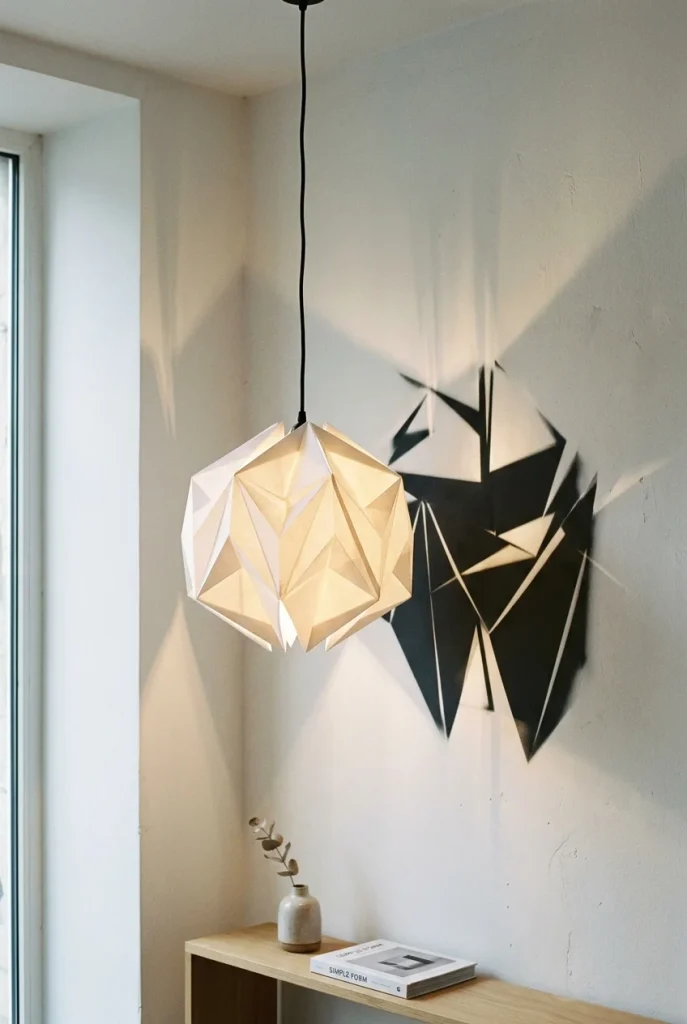
Paper origami lampshades are stunning and surprisingly sturdy when made correctly. You fold individual paper modules and connect them into a geometric sphere or dome shape. When light shines through, the folds create intricate shadow patterns that act like natural wall art. It is a project that doubles as both a lamp and a sculpture.
Cardstock and vellum paper work best for this type of shade because they hold their shape and allow light to pass through evenly. White paper gives a clean, modern look while pastel colors add softness to a nursery or bedroom. You can find origami lampshade folding tutorials easily online, and most use basic folds that do not require advanced origami skills.
The key to making this lampshade last is using heat-resistant paper and keeping the bulb low-wattage or switching to an LED bulb that generates less heat. Once finished, hang it as a pendant or place it over a table lamp base. Either way, it becomes an instant conversation piece.
5. Macrame Lampshade
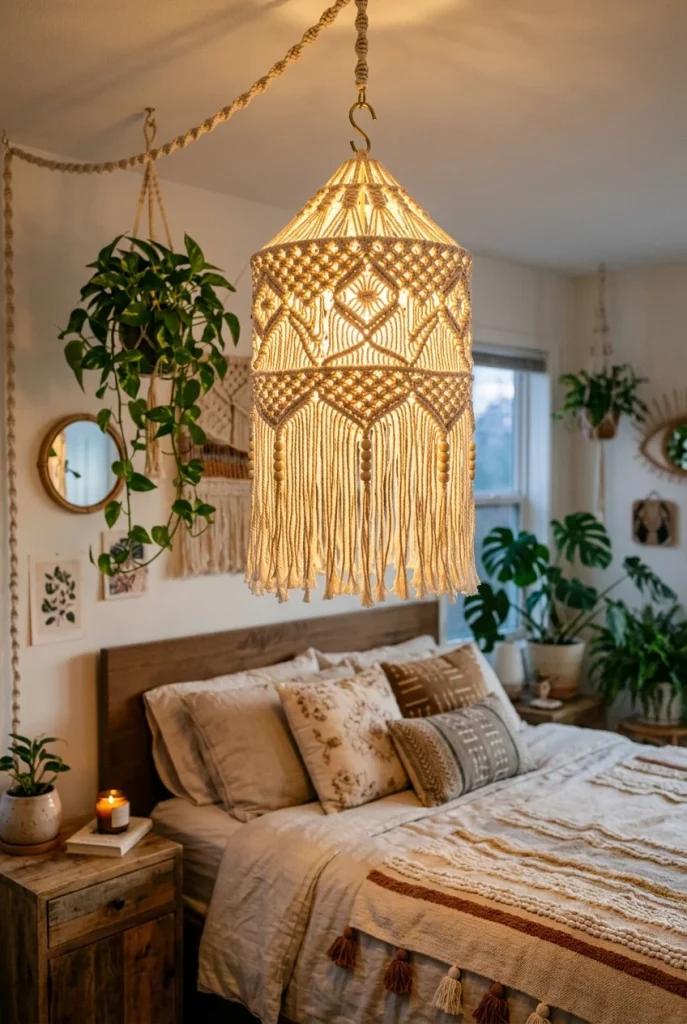
Macrame lampshades are everywhere on Pinterest right now, and for good reason. The knotted texture filters light in a soft, diffused way that makes any room feel warm and calm. You tie macrame knots around a circular wire frame, working from top to bottom until the shade is fully covered. Fringe at the bottom adds a finished, decorative touch.
Natural cotton macrame cord is the most popular choice, but you can also find cord in colors like blush, sage green, and terracotta. Thicker cord creates a bolder look with larger knots, while thinner cord gives a more delicate, lacy appearance. The pattern you use whether square knots, spiral knots, or half-hitch knots affects the final texture and how much light comes through.
Macrame lampshades look amazing in bedrooms, reading corners, and above dining tables. They pair well with wicker furniture, wooden accents, and indoor plants. If you already know basic macrame knots, you can finish one of these shades in a single afternoon.
6. Wine Bottle Lampshade Base with DIY Shade
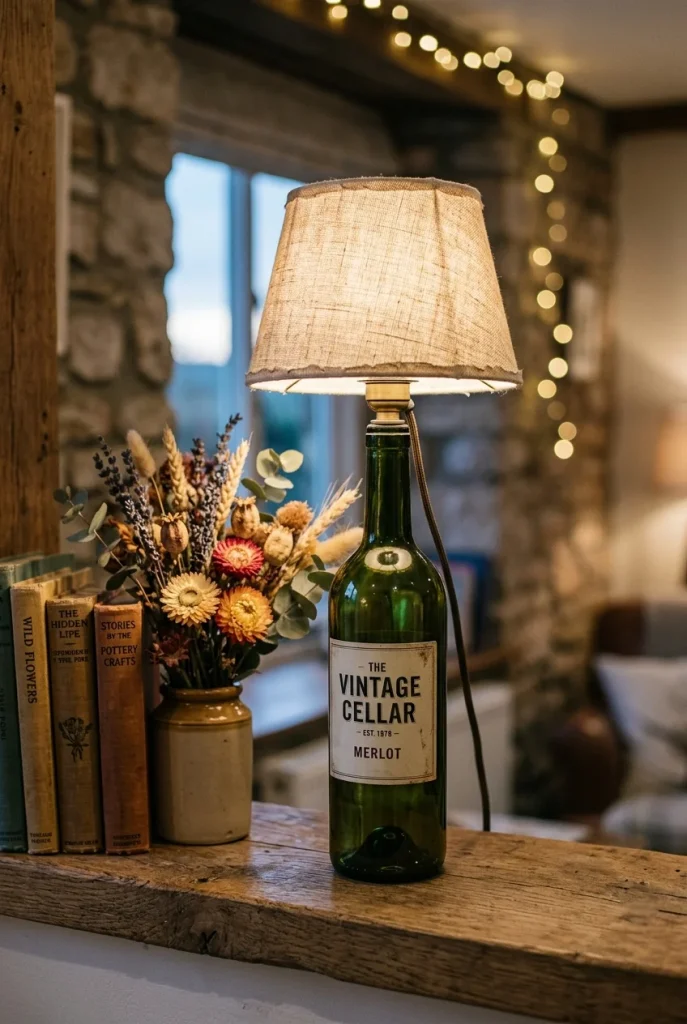
Turning a wine bottle into a lamp base is one of the most popular upcycling projects on Pinterest. You drill a hole near the base of the bottle for the cord, thread the lamp kit through, and top it with a small DIY shade. The bottle itself becomes a design element dark green, amber, or cobalt blue glass all look stunning when lit from within.
Pairing the bottle base with a simple linen or paper shade keeps the focus on the bottle’s color and shape. You can also leave the shade off entirely for a more industrial or minimalist look. Groups of three wine bottle lamps at different heights make a beautiful centerpiece arrangement for a dining table or console shelf.
This project is eco-friendly and very low-cost since the main material is something most people already have at home. Lamp conversion kits are inexpensive and easy to find online or at hardware stores. The final result looks thoughtful and handcrafted in the best possible way.
7. Geometric Wire Frame Lampshade
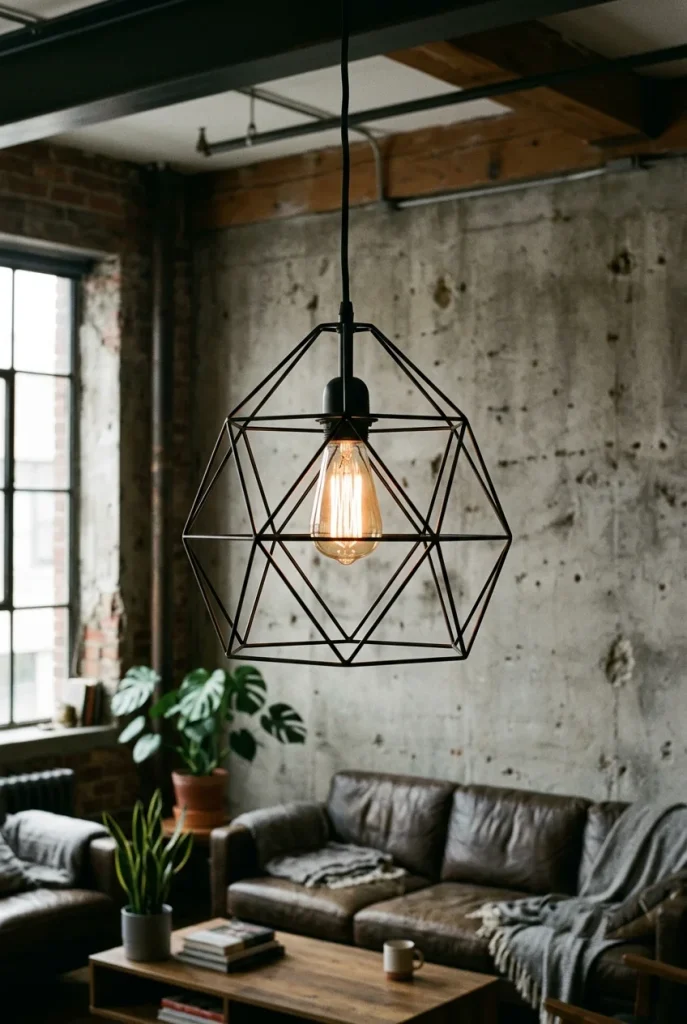
Geometric wire frame lampshades give a room an instant industrial or modern edge. You bend and connect metal wire into triangular or polygonal shapes to create an open cage-style shade. The bulb is left exposed inside, which creates a statement lighting piece that works well in lofts, home offices, and modern living rooms.
Black wire is the most common choice for this style, but copper and gold wire create a warmer, more glamorous look. The open frame design means you do not need to cover anything the wire structure itself is the lampshade. This makes it one of the quickest DIY lampshade projects since there is no wrapping or gluing involved.
Using Edison or globe-style bulbs inside wire frame lampshades enhances the industrial aesthetic. The visible filament adds warmth and character that modern LED panels cannot replicate. These shades work as pendants or table lamps and are especially popular in home offices and studio apartments.
8. Doily Lampshade
Doily lampshades are made by stiffening fabric doilies with starch or glue and layering them over a balloon mold. Once dry, you pop the balloon and are left with a delicate, lacy sphere that looks like spun sugar when lit. The light that filters through the lace creates the most beautiful patterns on the surrounding walls and ceilings.
You can use white doilies for a romantic, vintage look or dye them first in colors like blush, dusty blue, or sage. Mixing different sizes and patterns of doilies creates a more organic, textured result. The overlapping layers make the shade surprisingly sturdy once the starch has fully dried.
This is one of those lampshade projects that requires patience but rewards you with something that looks truly handmade and special. It works best as a pendant lamp in bedrooms or dining areas. If you love cottage-core or grandmillennial style, this shade belongs in your space.
9. Recycled Book Page Lampshade
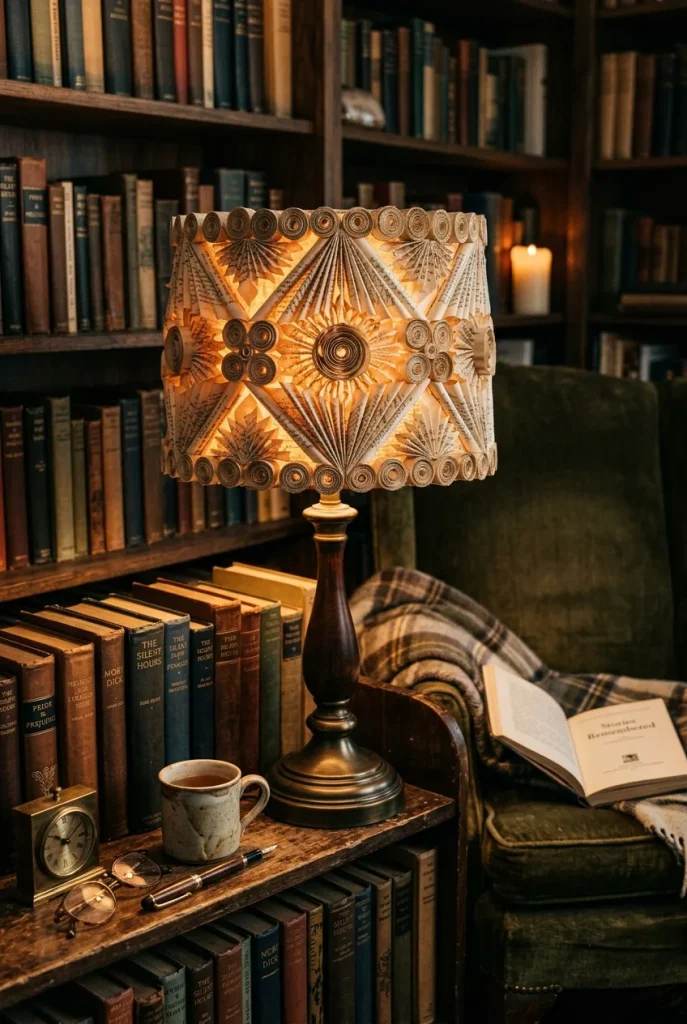
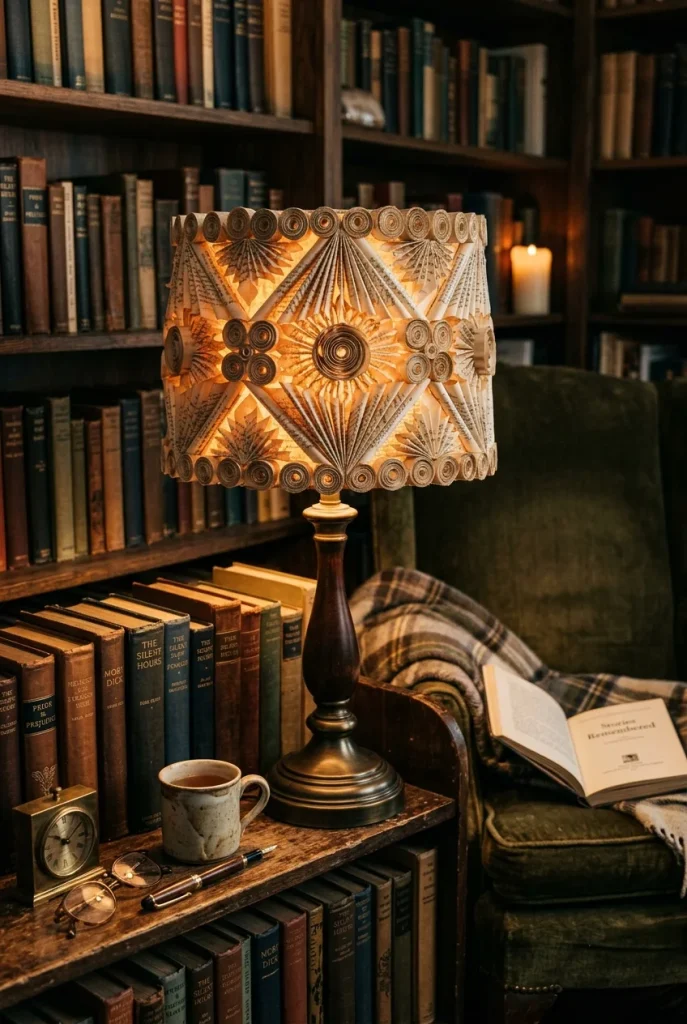
Book page lampshades are perfect for readers and literature lovers who want their decor to reflect their personality. You roll, fold, or fan old book pages and attach them to a plain shade frame using glue. The translucent quality of thin paper allows warm light to glow through the text, creating a cozy, amber-toned ambiance.
Old paperbacks from thrift stores work perfectly for this project. You can use pages from a single book to keep a cohesive look, or mix pages from different books for a more eclectic result. Folding the pages into accordion fans creates a pleated effect that looks structured and intentional.
This is also one of the most eco-friendly DIY lampshade ideas since it repurposes materials that might otherwise be thrown away. It works best in home libraries, reading corners, and home offices. Pair it with a warm LED bulb to get the best glow through the paper without risking heat damage.
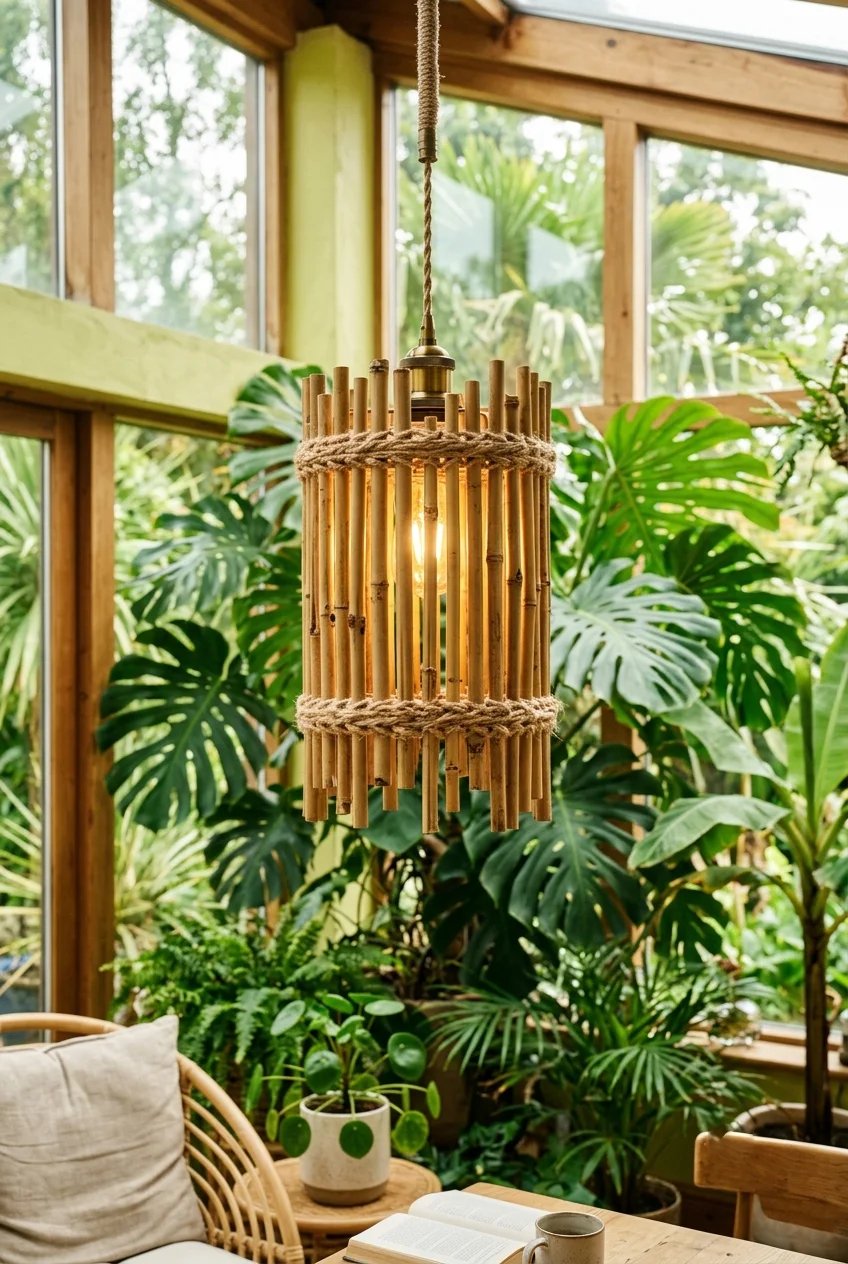
10. Bamboo Stick Lampshade
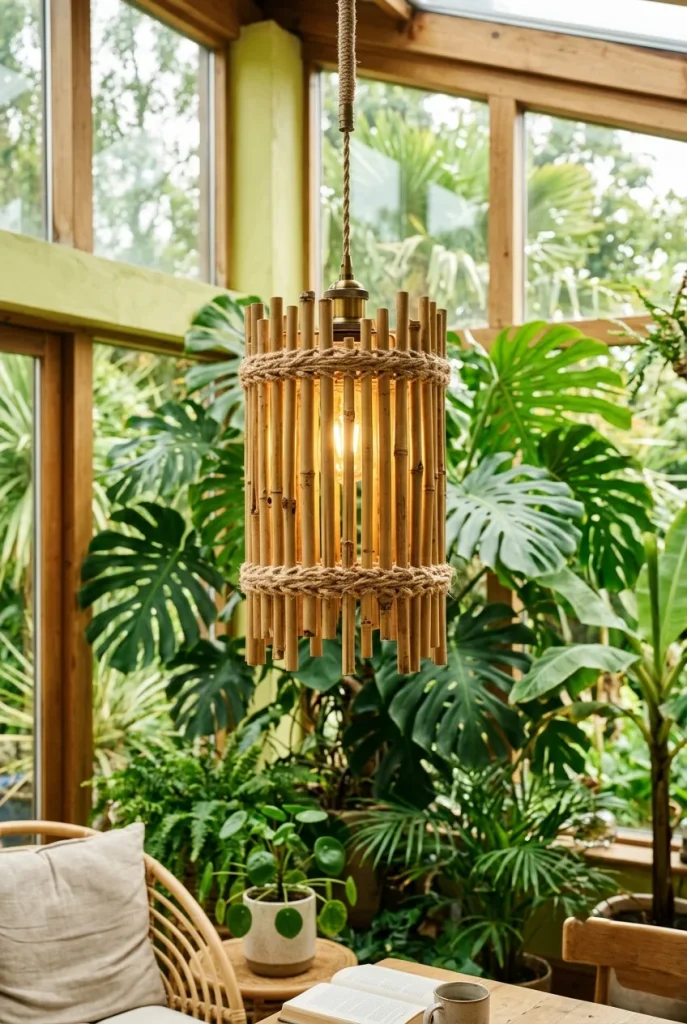
Bamboo stick lampshades bring a natural, organic feel to any space. You bundle thin bamboo sticks vertically around a circular frame, tying them at the top and bottom with twine or wire. The gaps between the sticks let light beam out in soft lines, creating a lantern-like effect that feels warm and tropical.
Natural bamboo has a pale honey color that pairs beautifully with earthy tones, rattan furniture, and linen textiles. You can stain the bamboo darker for a more dramatic look, or leave it natural for a light, airy feel. The size of the gaps between sticks controls how much light escapes, so you can customize the brightness level.
Bamboo lampshades are durable and hold up well over time. They work equally well indoors and in covered outdoor spaces like patios or sunrooms. This is a great project for anyone who loves tropical, coastal, or nature-inspired interior design.
11. Painted Ombre Lampshade
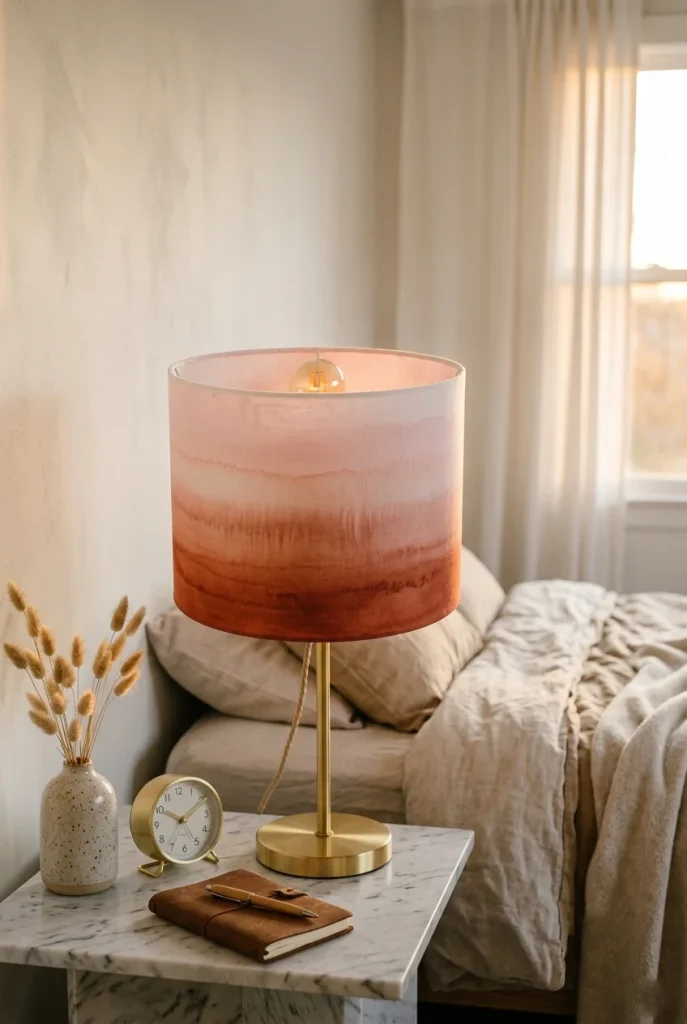
An ombre-painted lampshade is one of the simplest ways to add color to a room without overwhelming the space. You apply fabric paint to a plain white shade, blending two or three colors from top to bottom while the paint is still wet. The gradient effect looks soft and painterly, like something from an art studio rather than a craft project.
The color combination you choose sets the mood of the lamp. Soft pink to white feels romantic and airy. Navy to teal feels coastal and bold. Terracotta to burnt orange feels warm and earthy. Using a dry brush technique creates a more textured, artistic finish, while a wet blend gives a smoother, more seamless gradient.
This project takes about 30 minutes plus drying time. It works on both paper and fabric shades, making it accessible for beginners with no sewing or construction skills required. An ombre lampshade is also a great way to update an old, tired shade you already own, instead of buying a new one.
12. Hanging Terrarium Lampshade
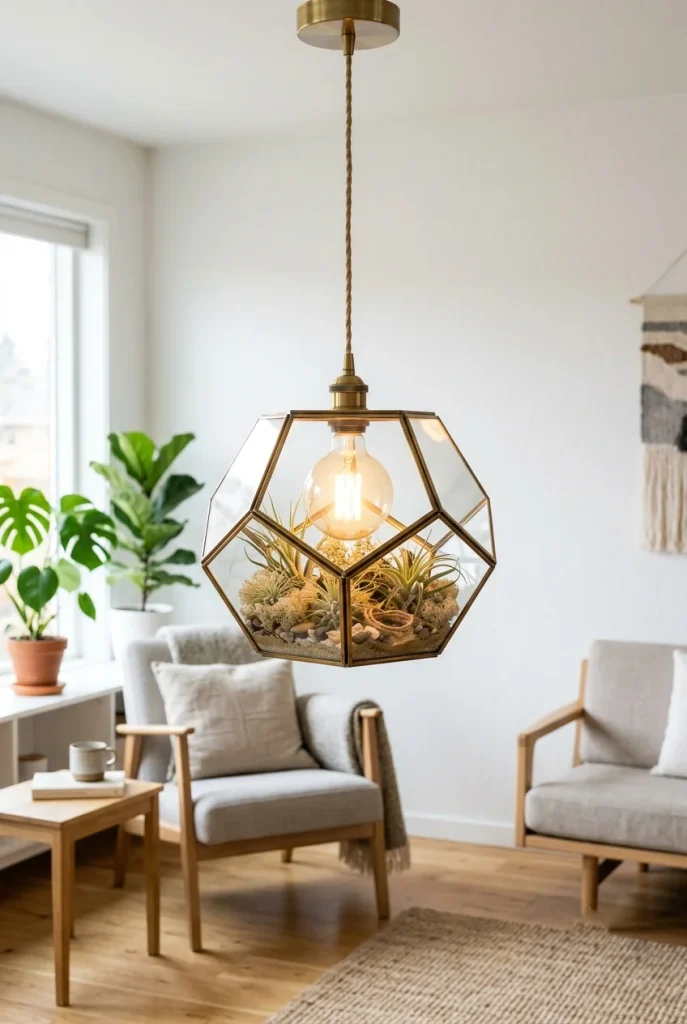
Hanging terrarium lampshades combine greenery and lighting into one creative piece. You use an open geometric glass terrarium frame as the shade, placing a small Edison bulb at the top and arranging air plants or dried moss inside. The result is a lamp that also functions as a tiny hanging garden.
Air plants are the best choice for this project because they require no soil and very little water. They thrive in the warm, dry environment near a low-wattage bulb. Dried moss, pebbles, or small crystals can fill the base of the terrarium for added visual texture. The glass frame lets light pour out in all directions, illuminating the plants and casting beautiful shadows.
This lampshade style works best as a pendant in bright, plant-filled rooms. It suits Scandinavian, biophilic, and modern bohemian interiors particularly well. Keep the bulb at a low wattage to protect the plants and maintain the soft, glowing effect that makes this design so special.
13. Stenciled Drum Lampshade
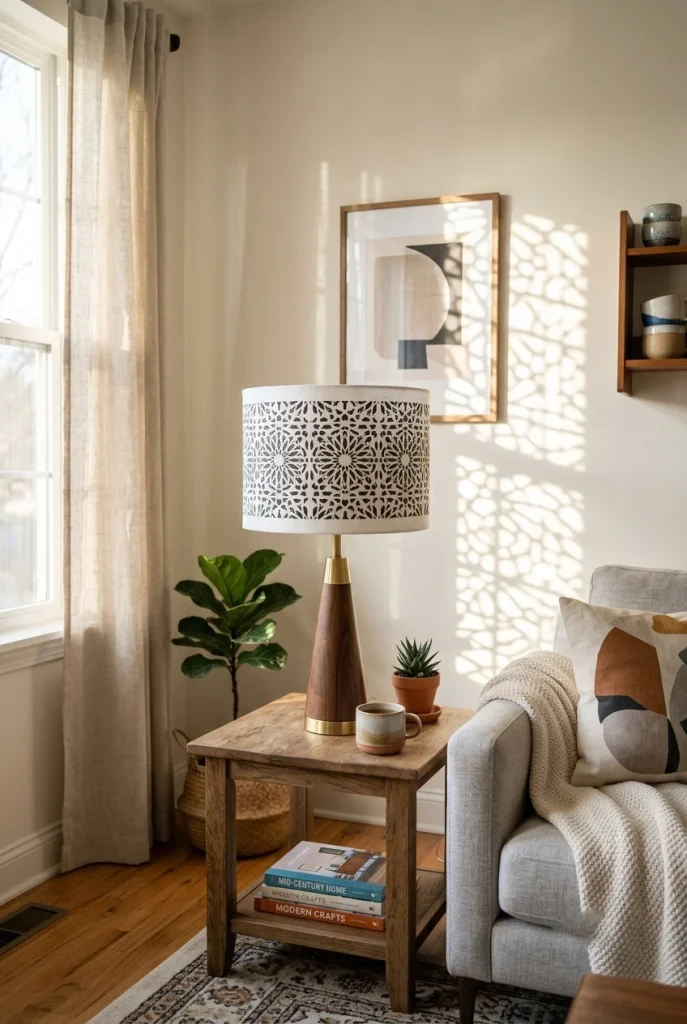
A stenciled lampshade takes a plain white shade from boring to bold in under an hour. You tape a stencil onto the shade and apply fabric paint with a sponge or brush. When the light is on, the pattern glows and casts matching shadows on nearby walls and ceilings, effectively doubling the decorative impact.
Geometric patterns are the most popular choice for modern interiors, but you can find stencils in florals, botanicals, Moroccan tiles, and dozens of other styles. Black paint on a white shade creates maximum contrast, while tone-on-tone painting — like white on ivory gives a more subtle, textured effect. Metallic gold or silver paint adds a touch of glamour that works in both modern and traditional rooms.
Stenciling is beginner-friendly and requires very little equipment. A foam pouncer brush gives the cleanest results with minimal bleeding under the stencil edges. This project is also a great way to personalize a lampshade from a thrift store or dollar store, turning a cheap find into something that looks intentional and stylish.
14. Leather Strap Lampshade
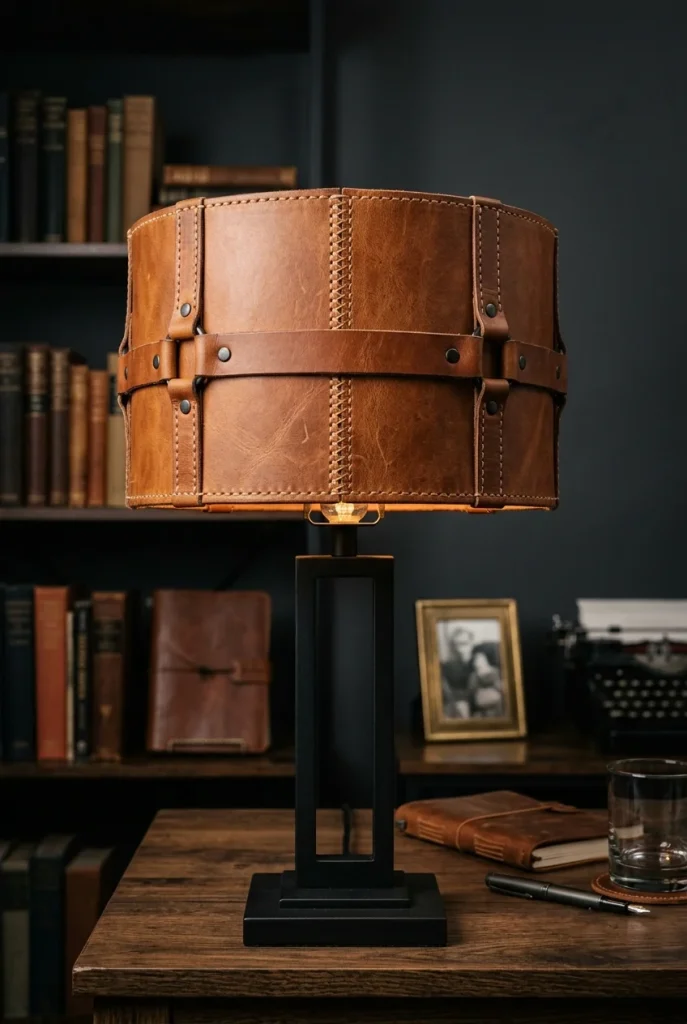
Leather lampshades look rich, warm, and completely unique. You cut strips of leather or faux leather and wrap them around a drum frame, either overlapping them or leaving thin gaps between each strip. The leather softens and diffuses light beautifully, emitting a warm amber glow that feels like candlelight.
Natural tan leather has a classic, heritage quality that pairs well with dark wood, brass fixtures, and deep green or navy walls. Black leather creates a moodier, more industrial effect that suits home offices and living rooms with a masculine aesthetic. Faux leather is a more affordable option that achieves a very similar look at a fraction of the cost.
You can add visible stitching along the edges using a leather needle and waxed thread for an artisanal, handcrafted finish. Rivets or grommets along the seams add an industrial edge. This lampshade style is less common in DIY tutorials, which makes it an especially impressive project to pull off at home.
15. Tin Can Pendant Lampshade
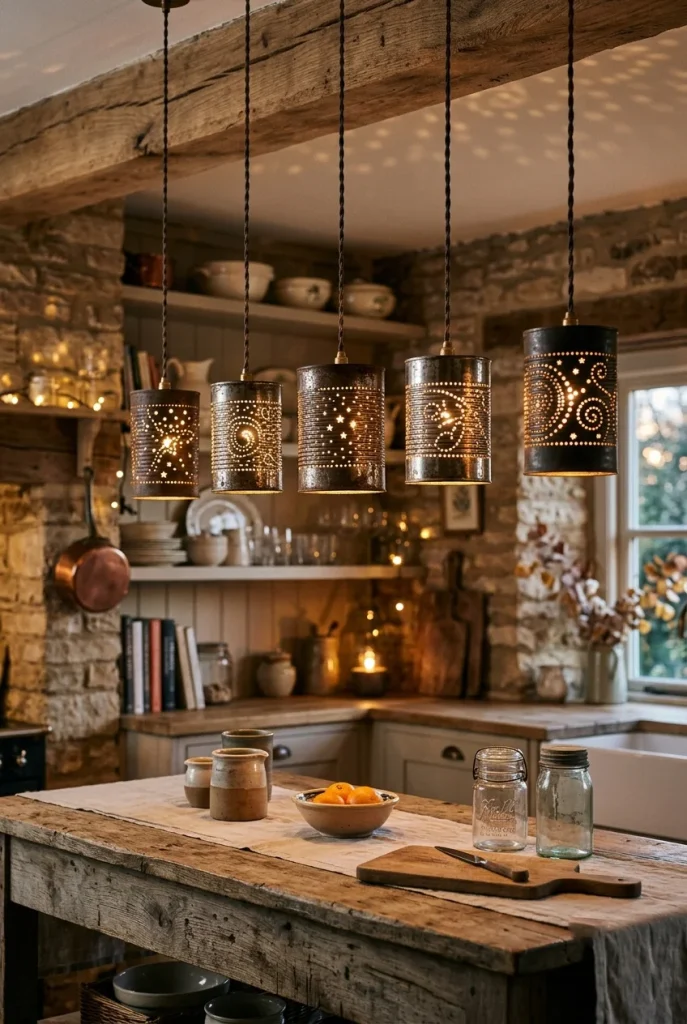
Tin can lampshades are one of the most satisfying upcycling projects because the transformation is so dramatic. You fill a tin can with water, freeze it, and then use a hammer and nail to punch your desired pattern into the metal. Once defrosted and dried, you add a pendant light kit through the base and hang it up. When lit, the punched holes project constellations of light across the walls and ceiling.
Large tomato cans, paint cans, or coffee cans all work well. The size of the can determines how much light it emits and how dramatic the projection effect is. Simple dot patterns look like starfields, while more complex geometric designs cast architectural-looking shadows. Painting the outside of the can before you start adds another layer of personalization.
A row of tin can pendants hanging at different heights above a kitchen island or outdoor dining area looks intentional and creative. This project costs almost nothing since the main materials are things you already throw away. It is also a great project to do with kids who are old enough to handle the hammer safely.
16. Seashell Lampshade
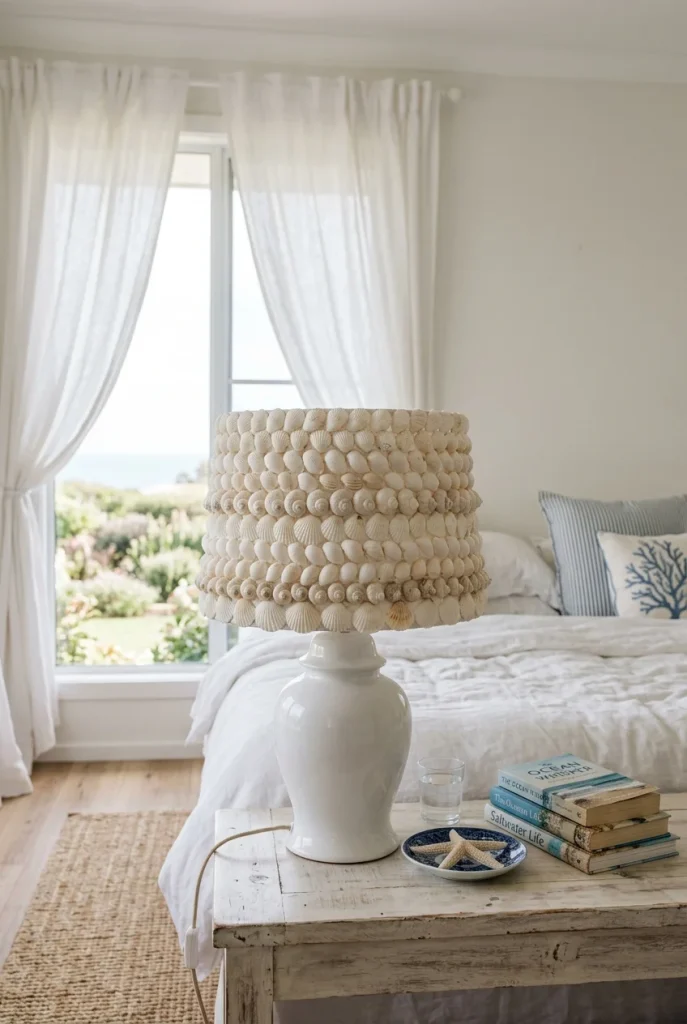
Seashell lampshades are a beautiful way to bring coastal and beach house energy into your home. You glue small, flat shells directly onto a plain fabric or paper shade, working in rows from bottom to top so each row slightly overlaps the one below. The shells catch and refract light in a way that feels natural and organic.
Collecting your own shells from the beach makes this project especially meaningful. You can also buy bags of mixed shells from craft stores if you need a larger quantity. Smaller shells like clams and oyster pieces work best because they lie flat and do not add too much weight. Larger statement shells can be used sparingly as focal points.
A seashell lampshade looks best in coastal bedrooms, bathrooms near the sink, or sunrooms with natural light. It pairs well with rattan furniture, linen textiles, and driftwood accents. The slight imperfections in handpicked shells make the finished lamp look genuinely handcrafted rather than mass-produced.
17. Map Paper Lampshade
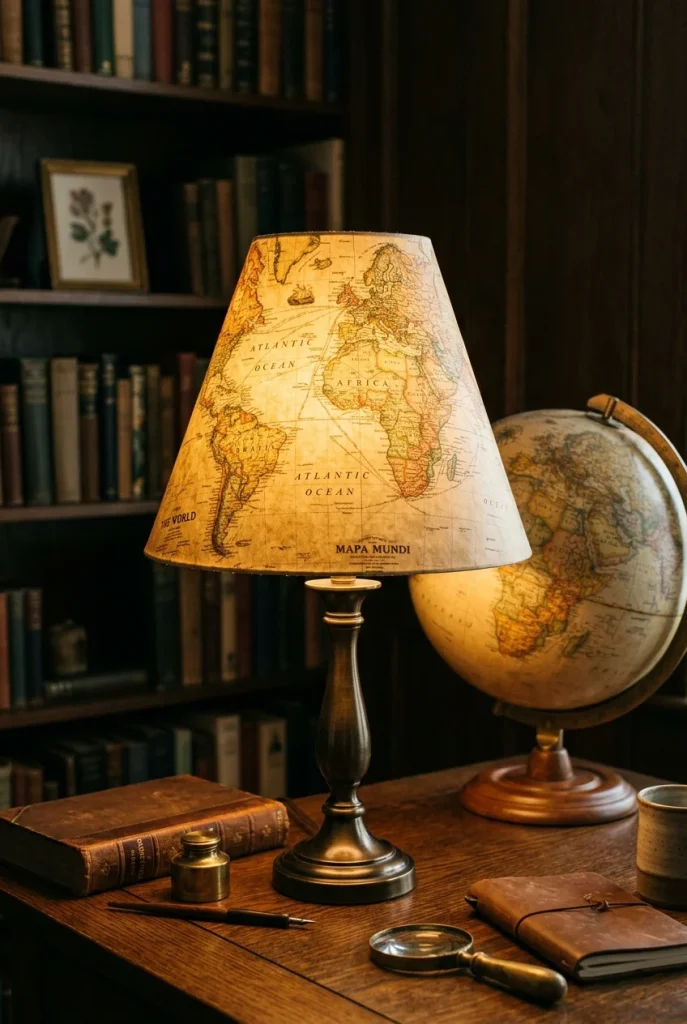
Map paper lampshades are perfect for travel lovers and anyone who wants a storytelling piece in their home. You wrap an old map around a plain cone or drum shade frame, securing it with decoupage glue or spray adhesive. When the lamp is on, the warm light glows through the paper and makes every detail of the map visible and beautiful.
Vintage road maps, old atlas pages, and antique nautical charts all work wonderfully. The aged, yellowed quality of old paper adds warmth and character that new maps cannot replicate. You can center the map on a specific city or country that is meaningful to you, turning the shade into a personal tribute.
Map lampshades work especially well in home offices, travel-themed bedrooms, and reading nooks. They pair perfectly with globe accessories, stacked books, and vintage leather items. The conversation-starting quality of this shade is a big part of its appeal guests always want to look closer and find familiar places on the map.
18. Yarn Wrapped Lampshade
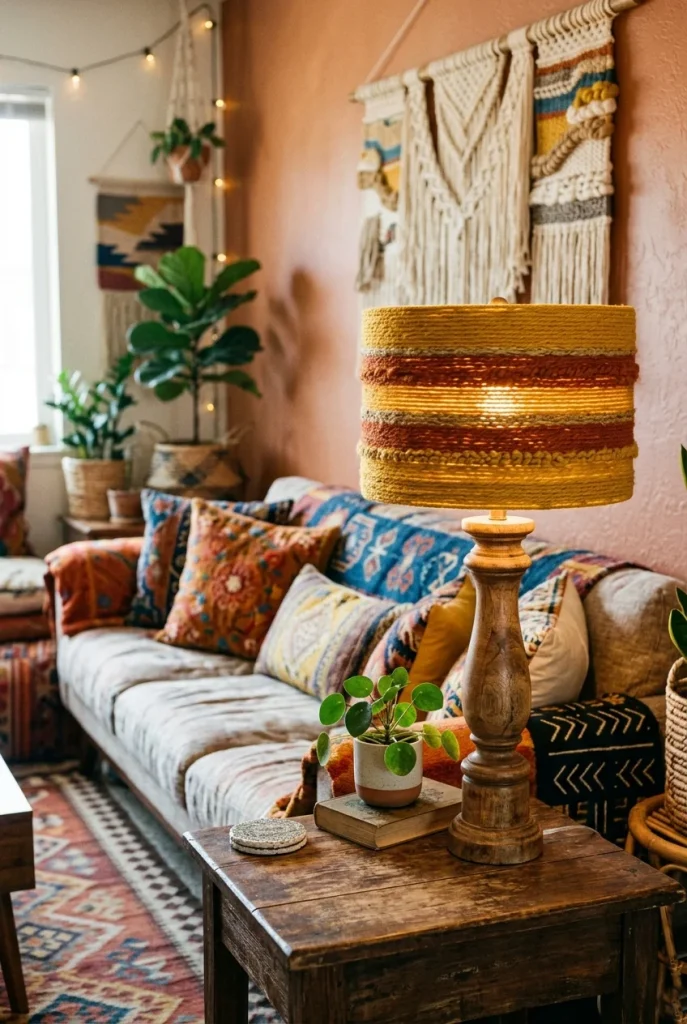
Yarn wrapped lampshades are one of the most beginner-friendly DIY projects on this list. You simply wrap yarn around an existing shade, securing the end with a small amount of glue. You can wrap in a single color for a clean, minimalist look, or switch colors to create stripes, color blocks, or ombre effects.
Chunky wool yarn creates a cozy, textural effect that works beautifully in autumn and winter-themed rooms. Thinner cotton yarn gives a neater, more polished finish that suits minimalist and Scandinavian interiors. Metallic yarn adds sparkle that works in glam or maximalist spaces. The yarn type you choose drastically changes the final look of the shade.
This is a great project for using up yarn left over from knitting or crocheting projects. It is also low commitment if you do not like the result, you can unwind the yarn and start over without damaging the shade underneath. Yarn wrapped lampshades are particularly popular as nursery decor because they are soft, safe, and easy to customize in any color scheme.
19. Driftwood Lampshade
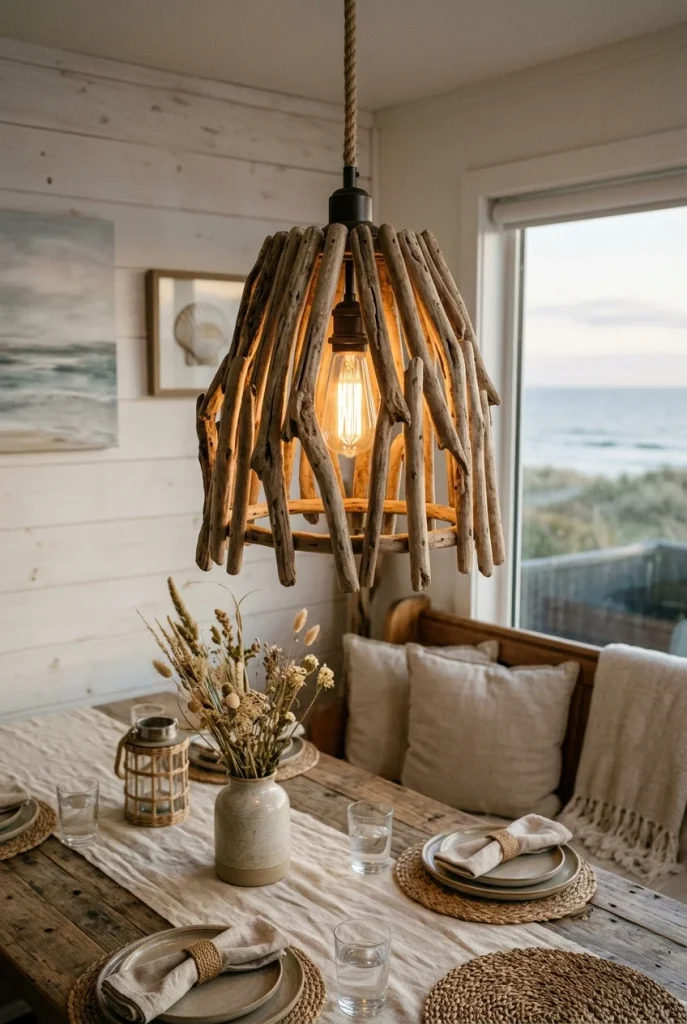
Driftwood lampshades look like something you would find in a high-end coastal boutique hotel. You arrange pieces of driftwood vertically around a circular frame, tying them at the top and bottom with twine or thin wire. The rough, weathered texture of driftwood and the warm bulb light together create a look that is completely organic and one-of-a-kind.
Every piece of driftwood is different, which means every driftwood lampshade is entirely unique. The natural silver-gray color of weathered wood suits neutral interiors beautifully, but you can also whitewash or lightly bleach the wood for a brighter, more coastal look. Collecting driftwood from local beaches makes the project feel grounded and connected to nature.
Driftwood lampshades work as both pendants and table lamps. They suit coastal, rustic, and organic modern interiors particularly well. Because no two pieces of wood are exactly alike, this shade always looks artisanal and hand-selected rather than mass-produced.
20. Butterfly or Leaf Print Lampshade
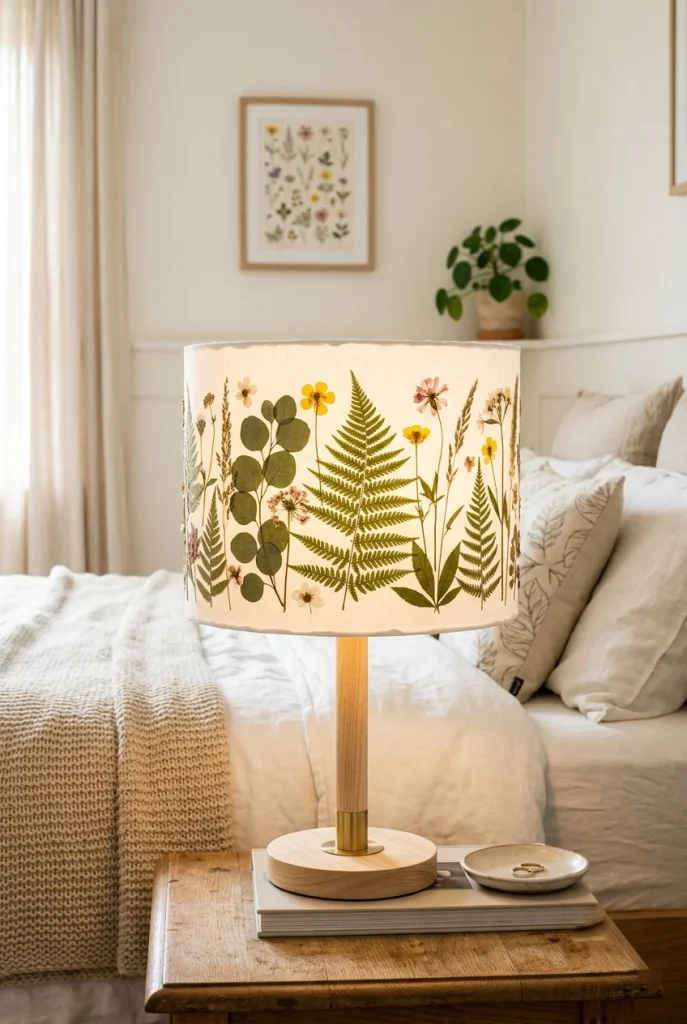
Pressed leaf and botanical lampshades are delicate, nature-inspired, and absolutely beautiful when lit from behind. You press and dry real leaves, flowers, or ferns and attach them to a plain white shade using decoupage glue. When the lamp is on, the light shines through the shade and illuminates the botanical shapes from within, like a backlit herbarium.
Autumn leaves in shades of red, orange, and gold create a warm seasonal look. Green ferns and tropical leaves produce a lush, jungle-inspired effect. Dried flowers like Queen Anne’s lace, lavender, and pressed roses add a romantic, feminine quality. Mixing leaf sizes and types creates a more complex, layered composition.
This lampshade idea is particularly popular for nurseries, children’s rooms, and nature-themed bedrooms. It has a handmade, educational quality that children love. The decoupage coating protects the leaves and keeps them flat, so the shade holds up well over time with normal use.
21. Industrial Pipe Lampshade Frame
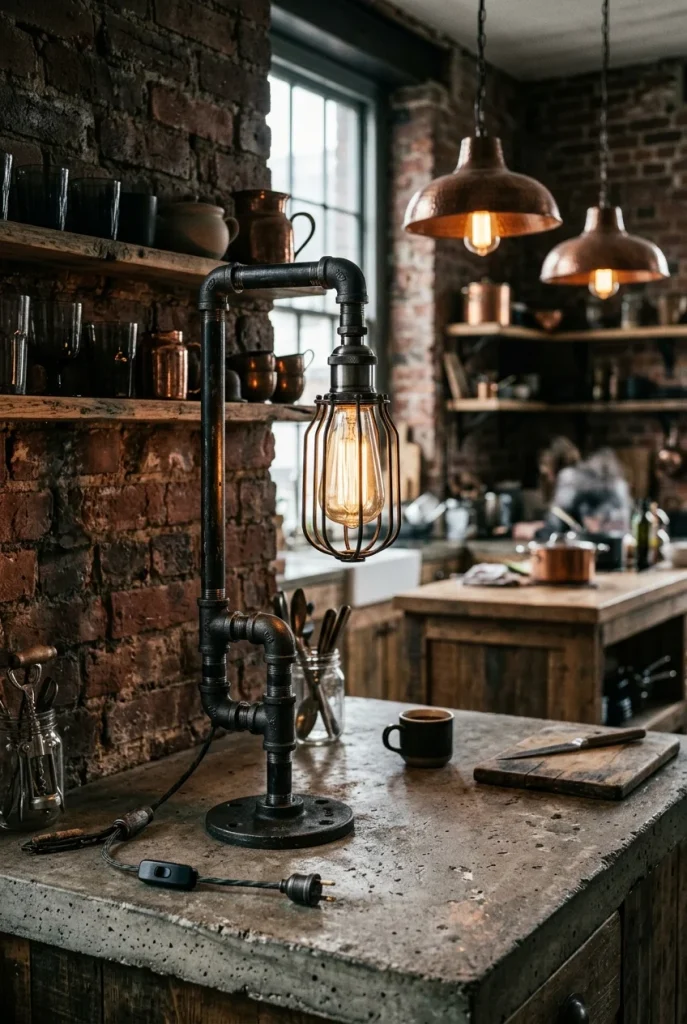
Industrial pipe lamp frames take the concept of a lampshade and strip it back to its bare bones. You assemble short lengths of black iron pipe into a cage-like frame around a bulb, using standard pipe fittings to connect the pieces. The result is a raw, architectural lamp that works beautifully in industrial, modern, or loft-style spaces.
Black iron pipe is inexpensive and easy to find at hardware stores. The assembly requires no welding or special tools just standard pipe fittings that screw together by hand. You can create cage-style frames in square, rectangular, or cylindrical shapes, depending on your aesthetic. Copper pipe creates a warmer, more upscale version of the same idea.
This style is especially popular for kitchen islands, bathroom vanities, and home bar areas. Pairing it with Edison or vintage filament bulbs enhances the industrial character. Because the frame requires no fabric or covering, it is also one of the most durable DIY lampshade options on this list.
22. Washi Tape Geometric Lampshade
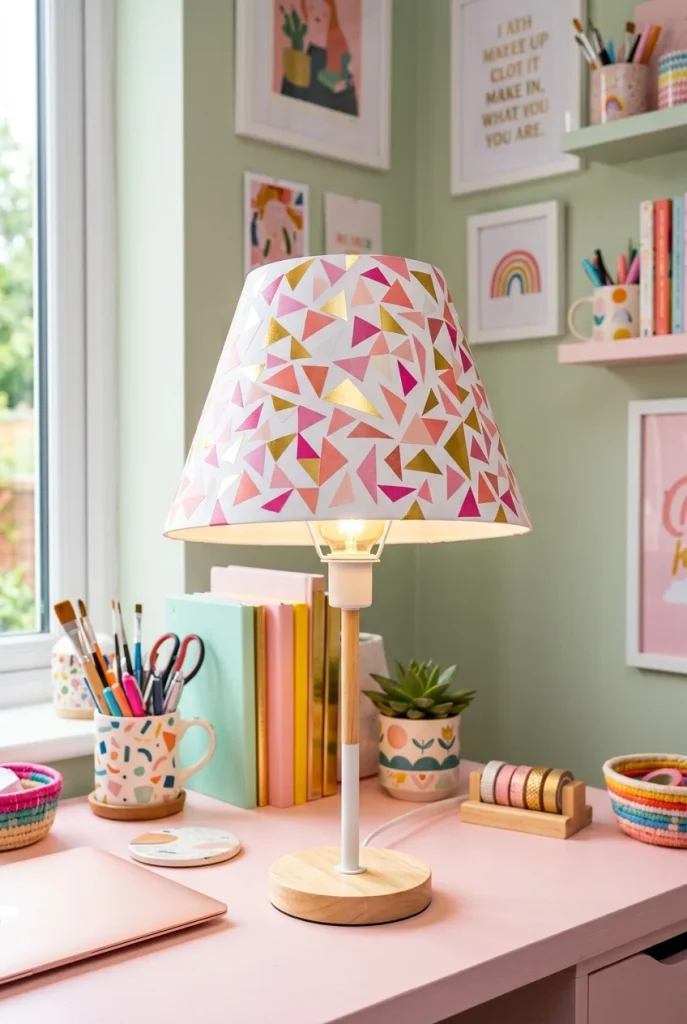
Washi tape lampshades are fast, fun, and completely reversible, making them perfect for renters or anyone who likes to change their decor often. You apply strips of washi tape directly onto a plain white shade in any pattern you like — stripes, triangles, chevrons, or random abstract designs. No glue, no sewing, no mess.
The huge variety of washi tape designs means the combinations are virtually unlimited. Metallic gold tape on a white shade looks glamorous. Pastel color blocks give a soft, playful feel. Bold geometric patterns in high-contrast colors create a graphic, modern look. Mixing tapes in complementary colors or patterns makes each shade genuinely unique.
This is an excellent project for kids’ rooms and teen bedrooms because children can design their own shade and change the design whenever they want. It also works well in home offices, craft rooms, and any space where you want a pop of color and personality. When you are ready for a change, the tape peels off cleanly without damaging the shade.
23. Crochet Lampshade Cover
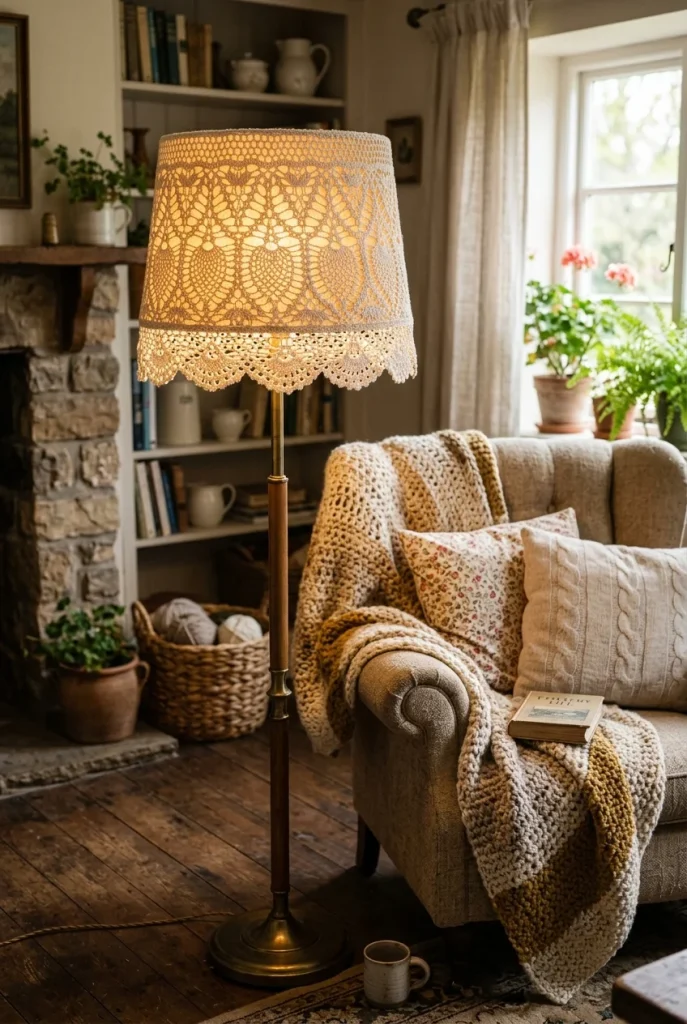
Crocheted lampshade covers are a beautiful combination of fiber art and functional home decor. You crochet a cover separately using the shade’s dimensions as a guide, then slip it over the existing shade like a sleeve. The open lace stitches filter light in a soft, diffused pattern that feels warm and handmade.
Cotton thread in white or cream creates the most classic, timeless look. Colored cotton yarn adds personality a rust orange cover suits an autumn living room, while a sage green one looks fresh and botanical. Thicker yarn creates a more textured, chunky look, while fine crochet thread produces a delicate, heirloom quality.
You do not need advanced crochet skills to make a simple cover. Basic single or double crochet stitches worked in the round are enough to create a beautiful result. This project is a wonderful gift for mothers, grandmothers, and anyone who appreciates the beauty of handmade textiles.
24. Stained Glass Effect Lampshade
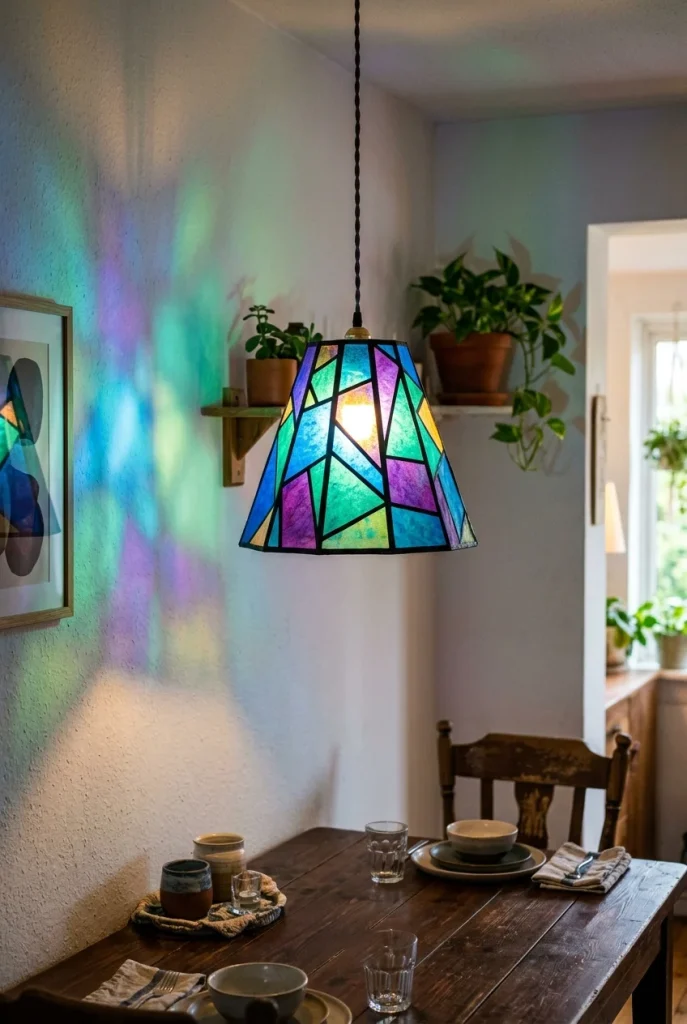
A stained glass effect lampshade uses colored tissue paper and decoupage glue to mimic the look of real stained glass at a fraction of the cost. You tear or cut tissue paper into irregular shapes and layer them onto a clear glass or plain white shade using decoupage medium. When the lamp is lit, the colors glow and blend together just like real stained glass.
Jewel tones deep blue, emerald green, ruby red, and amethyst purple create the most dramatic stained glass effect. Pastel tissue papers give a softer, watercolor-like glow that suits bedrooms and nurseries. You can work freestyle for an abstract look or plan a specific design like a geometric grid, floral pattern, or nature scene.
The finished shade looks like an expensive art piece and completely transforms the atmosphere of a room when lit. This project works best on glass pendant lights or cylindrical shades where the light shines directly through the sides. It is a great project for creative teenagers and adults who want something visually striking in their space.
25. Embroidery Hoop Lampshade
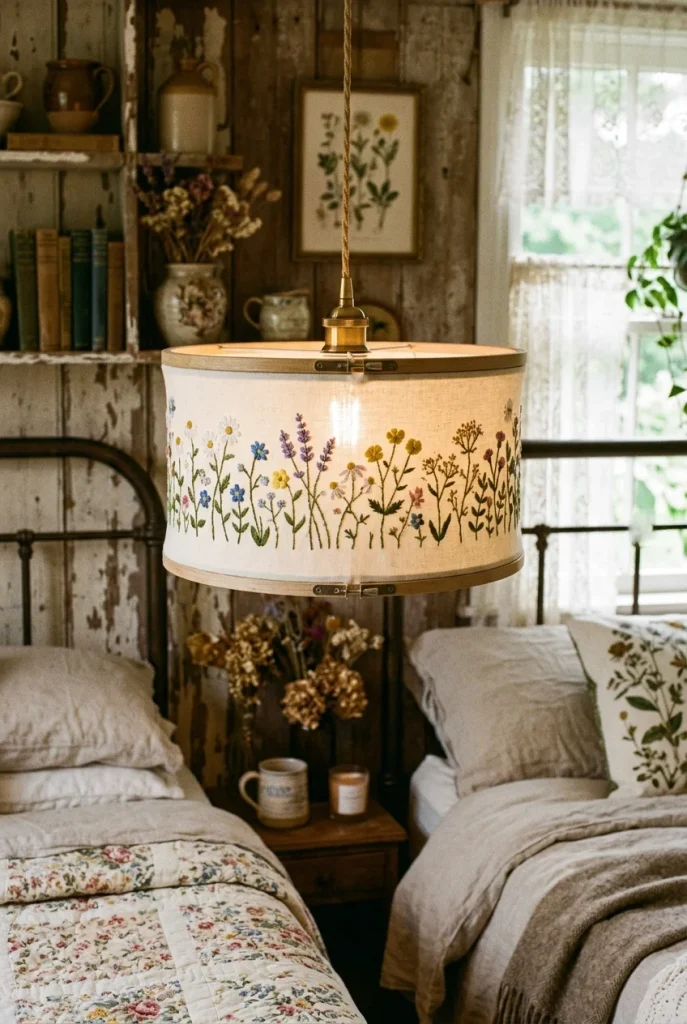
Embroidery hoop lampshades are a clever way to combine two crafts into one beautiful object. You stretch fabric over a large embroidery hoop, add hand embroidery or iron-on transfer designs to the fabric, and then hang the hoop as a pendant with a light kit threaded through the center. The embroidery glows when lit, highlighting every stitch.
Linen or cotton muslin is the best fabric for this project because they are light-diffusing and easy to embroider. Simple floral patterns, geometric designs, or botanical drawings work beautifully. You can also leave the fabric plain for a cleaner, more minimal look where the hoop frame itself becomes the design element.
Embroidery hoop lampshades are particularly popular in cottagecore, vintage, and romantic bedroom styles. Because the hoop is flat, this works best as a pendant light rather than a table lamp shade. Grouping three hoops of different sizes at varying heights creates an impressive artistic installation that looks like gallery art above a bed or sofa.
26. Mirror Mosaic Lampshade
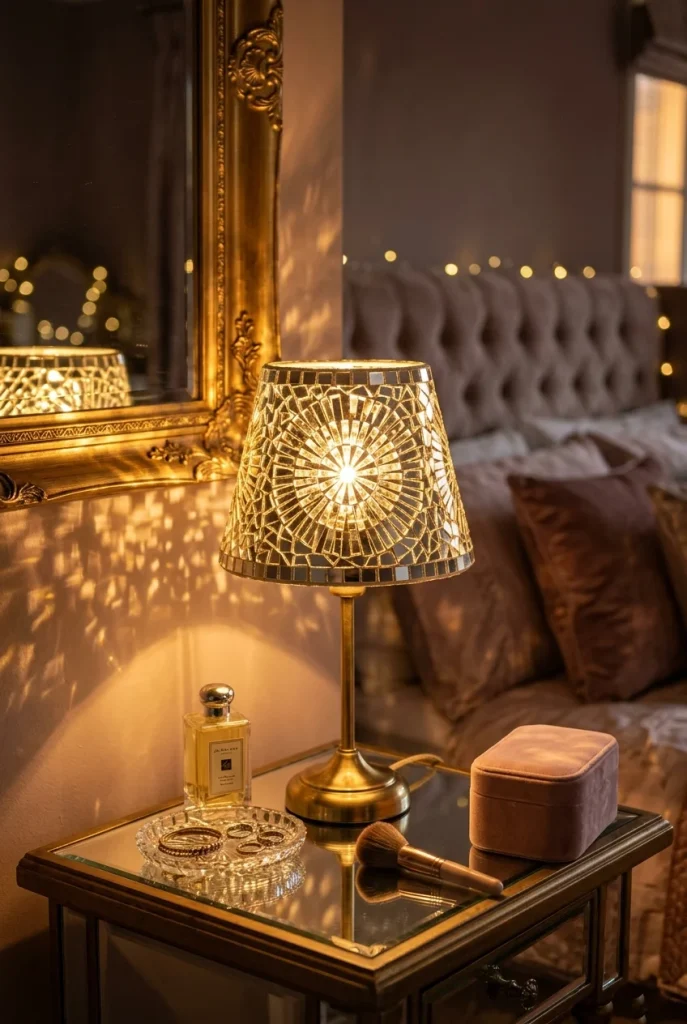
Mirror mosaic lampshades are glamorous, eye-catching, and create a disco-ball effect when lit. You break small mirror tiles into irregular pieces and glue them onto a plain lamp base or rigid shade using tile adhesive. The finished shade throws tiny spots of reflected light across every surface in the room, creating a magical, moving light show.
Safety is important with this project always wear gloves and eye protection when breaking mirror tiles. Pre-cut mirror mosaic tiles are available at craft stores and eliminate this step entirely. Arranging the pieces in a sunburst pattern with larger pieces at the center and smaller ones toward the edges creates the most visually satisfying result.
This lampshade is best suited for bedrooms, dressing rooms, and glam-style interiors. It pairs beautifully with velvet textiles, gold hardware, and dark, moody wall colors. The light show it creates makes it feel more like a piece of performance art than a simple lamp, which is exactly the kind of statement piece that stops Pinterest scrollers in their tracks.
27. Popsicle Stick Lantern Shade
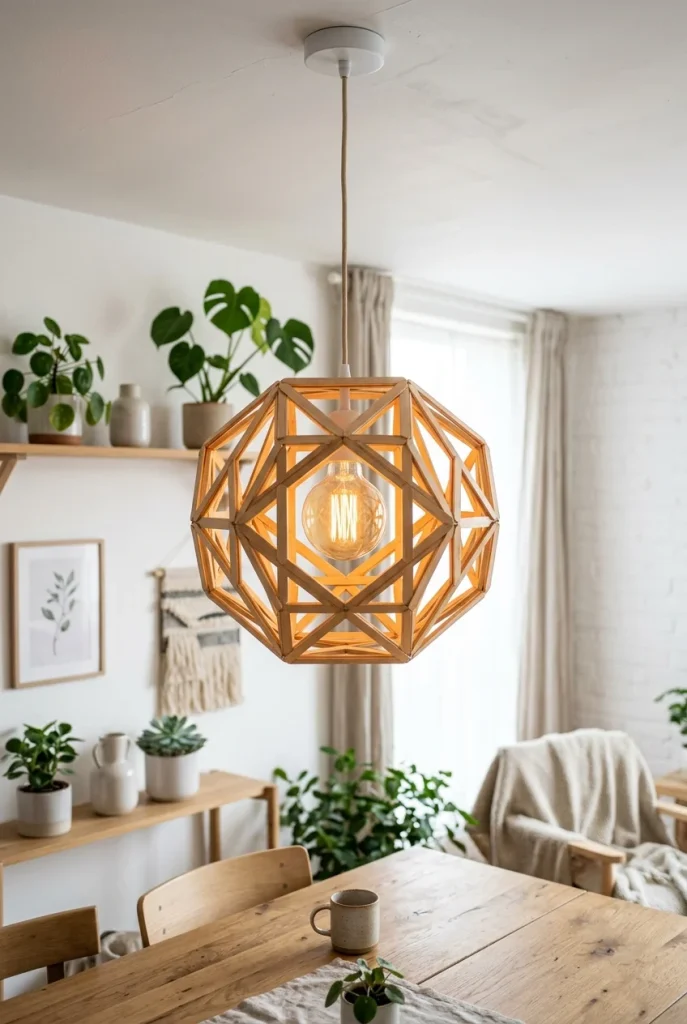
Popsicle stick lampshades are a surprisingly sophisticated DIY project that turns a children’s craft material into grown-up home decor. You glue sticks together in geometric patterns hexagons, triangles, or rectangular grids to build a rigid, three-dimensional shade. The gaps between the sticks let light beam out in clean lines that create a striking pattern on surrounding surfaces.
Natural wood-toned sticks have a warm, Scandinavian quality that suits minimalist interiors. Staining the sticks dark walnut or painting them black creates a more dramatic, modern result. Mixing stained and natural sticks in alternating rows adds subtle pattern and depth without making the shade look too busy.
The structural nature of this shade means it can be quite large without losing rigidity, making it suitable for overhead pendant lights over dining tables. Smaller versions work beautifully as table lamps in home offices or beside beds. This is also a rewarding project for crafters who enjoy woodworking but do not have access to professional tools.
28. Willow Branch Lampshade
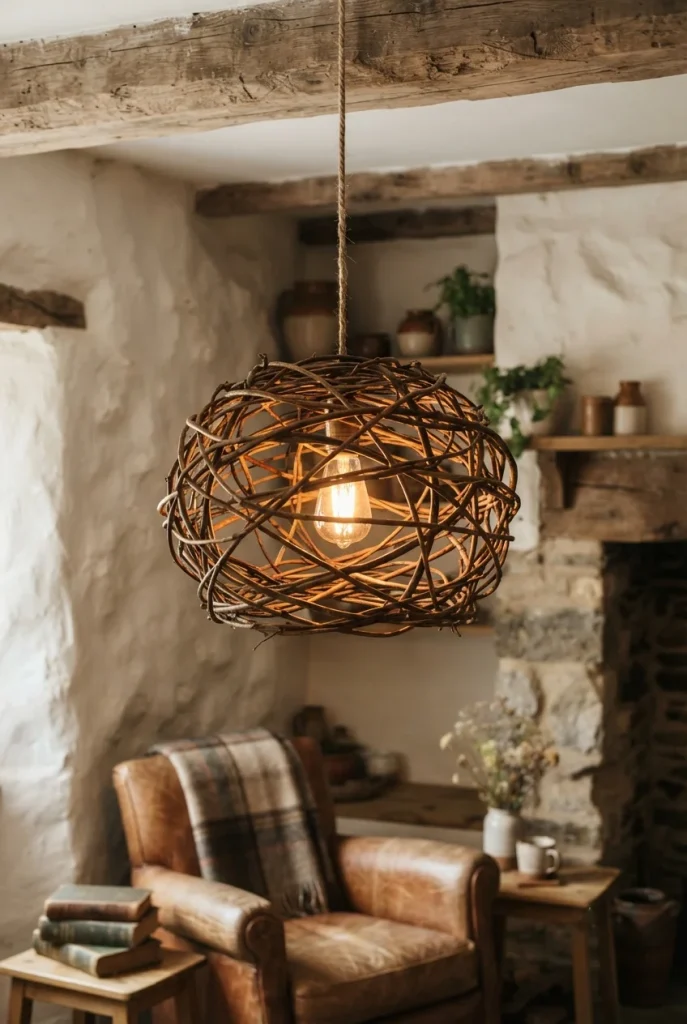
Willow branch lampshades have a wild, organic beauty that no manufactured product can replicate. You soak flexible willow twigs in water to make them pliable, then weave and bend them around a circular frame into a dome or globe shape. The finished shade looks like a bird’s nest or woodland lantern, which is part of its enormous appeal.
Fresh willow from craft suppliers or your own garden works best because it bends without snapping. Once shaped and dried, the branches hold their form permanently. Leaving the natural bark on the branches creates a rougher, more rustic look. Peeling and sanding them produces a cleaner, more refined result.
Willow branch shades suit farmhouse, rustic, cottagecore, and woodland-themed interiors. They look stunning over kitchen islands, in entryways, and above dining tables. Because each set of branches is naturally different, every willow lampshade is a completely unique piece that cannot be duplicated.
29. Tulle and Fairy Light Shade
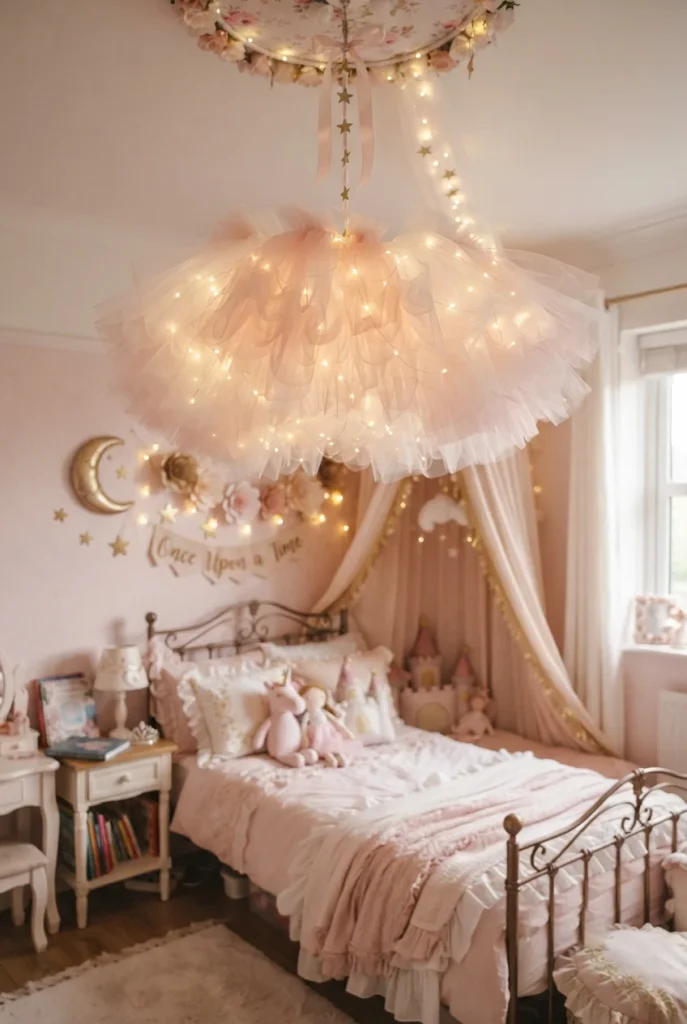
Tulle fairy light lampshades are soft, dreamy, and perfect for children’s rooms or romantic bedroom aesthetics. You gather layers of tulle fabric around a wire frame and weave a string of battery-operated fairy lights through the folds. The fairy lights glow through the translucent tulle, creating a cloud-like, magical effect that children and adults both love.
Soft pink, white, lavender, and champagne tulle are the most popular colors for this style. Mixing two complementary colors creates a more complex, ombre-like effect. Adding ribbon, small faux flowers, or star-shaped glitter accents to the tulle takes the look from sweet to truly whimsical.
Because this shade uses battery-operated fairy lights rather than a standard bulb and fixture, it is incredibly safe for children’s rooms. It can sit on a shelf or nightstand without any electrical installation required. This makes it one of the safest and most accessible DIY lampshade projects for parents who want to create something magical for their child’s space.
30. Hanging Bottle Cap Lampshade
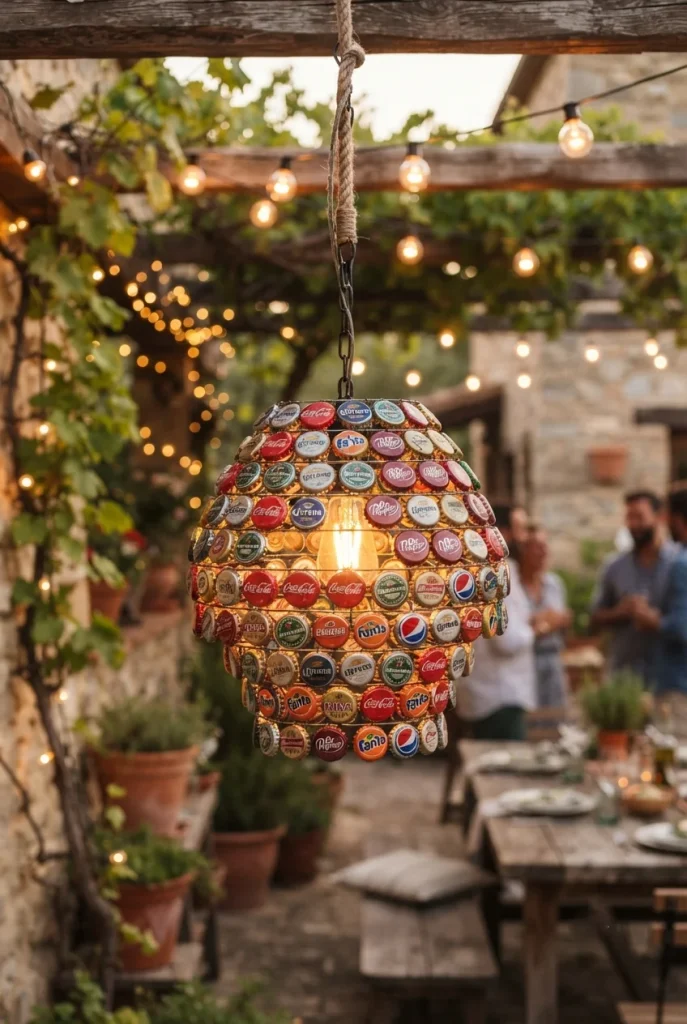
Bottle cap lampshades are a truly unique upcycling project that turns everyday waste into a striking piece of art. You flatten bottle caps and connect them using jump rings or thin wire into a linked mesh, similar to chainmail. The connected caps form a flexible curtain-like shade that catches and reflects light in a way that is endlessly interesting.
The colors of the bottle caps you collect determine the final look of the shade. A mix of random colors creates a festive, eclectic result. Sorting by color all silver, all gold, or all one brand for consistency creates a more intentional, cohesive design. Painting the caps in metallic tones before assembly adds a more refined, finished quality.
This is a long-term collection project, so it rewards patience and commitment. It works beautifully as an outdoor patio pendant, a garage bar light, or a statement piece in an eclectic living room. The clinking sound the caps make when they move adds an extra sensory dimension that makes this lampshade genuinely one of a kind.
Conclusion
DIY lampshades are one of the most rewarding home decor projects you can take on because the impact is immediate and the cost is almost always low. From woven rope and macrame to stained glass, tissue paper, and bottle caps, there is an idea here for every skill level, budget, and interior style. The best part is that every single one of these shades will be unique to your home and your hands. Start with one idea that excites you, gather your materials, and enjoy the process of making something that truly brightens your space.