10 Scandinavian Design Ideas for a Cosy Modern Home
Does your living room feel cluttered, cold, or just plain uninspired? You are not alone. Many homeowners struggle to find a style that feels both warm and put together. Scandinavian design solves this problem by mixing simple lines, natural materials, and soft textures into one calm look.
This style is loved because it never feels forced. It uses light woods, neutral colours, and cosy textiles to create rooms that feel open yet inviting. You do not need a big budget or a big house to bring this look home.
In this article, you will find ten easy Scandinavian design ideas. Each one is simple to copy, easy to shop for, and perfect for saving to your Pinterest board.
1. Embrace a Neutral Colour Palette
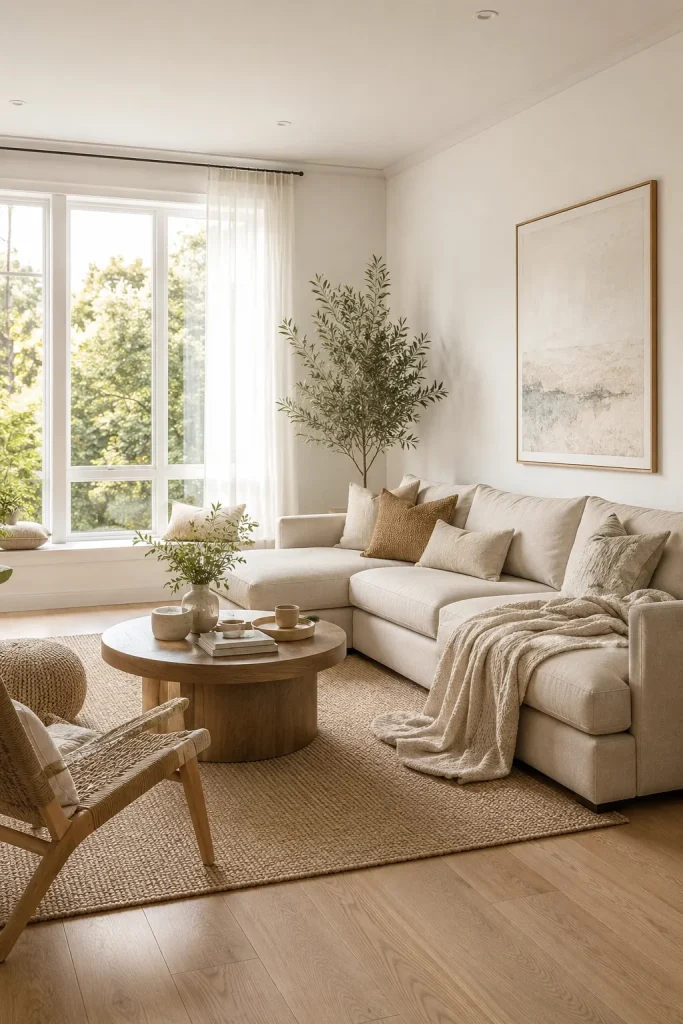
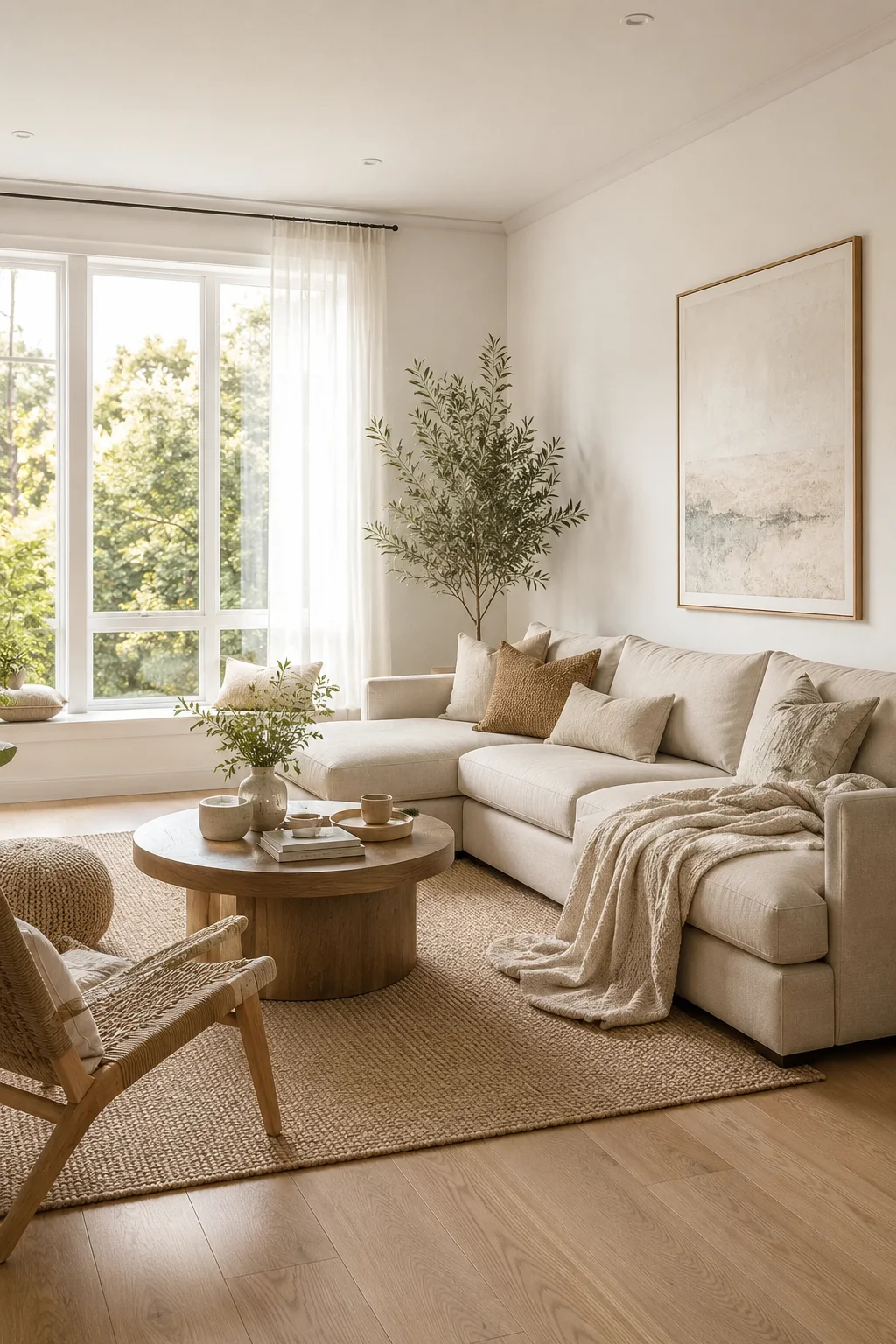
Scandinavian homes almost always start with a neutral colour palette. Whites, soft greys, warm beiges, and muted creams form the base of every room. This soft colour base makes small spaces feel bigger and brighter. It also creates a calm background where other design elements can shine.
Neutral tones are not boring when used correctly. Layering different shades of white and beige adds depth without adding visual noise. A cream wall paired with an oatmeal-colored rug and a soft grey throw creates gentle contrast. This layering technique is a favourite trick among interior designers who love the Nordic look.
The best part about a neutral palette is how easy it is to update. You can change your entire mood with new cushions, candles, or artwork, without repainting a single wall. This flexibility makes neutral Scandinavian interiors a smart long-term choice for any home style journey.
2. Bring in Natural Wood Elements
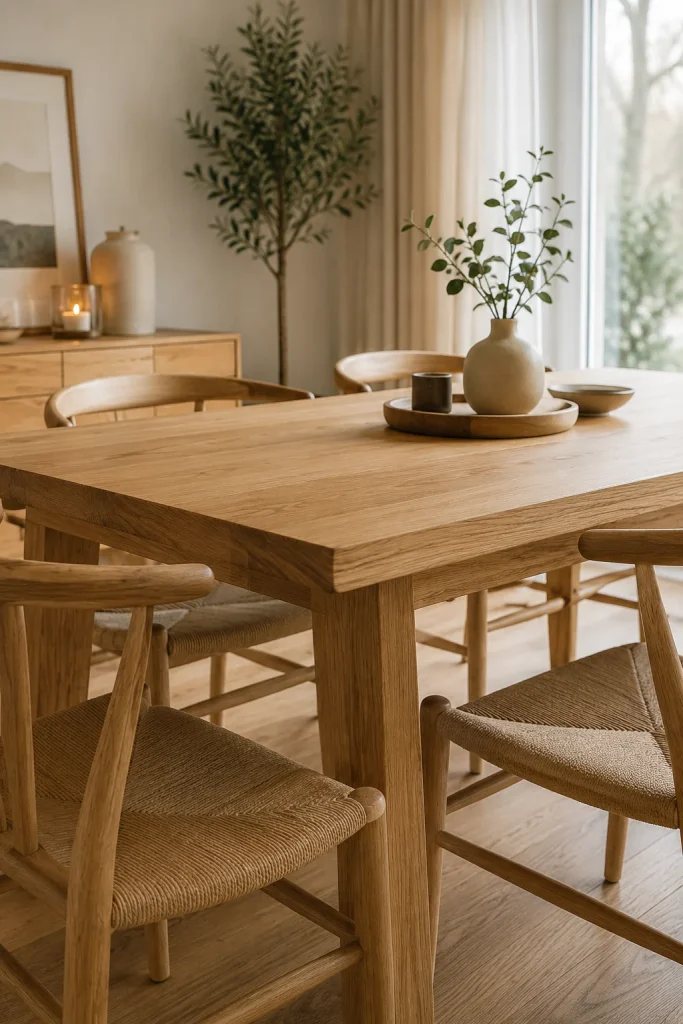
Wood is one of the most important materials in Scandinavian design. Light woods like oak, pine, ash, and birch are used for flooring, furniture, and small accents. These natural tones bring warmth into a space that might otherwise feel too clean or too cold. Wood also connects the indoors to nature, which is a core value in Nordic living.
Furniture pieces made from raw or lightly finished wood work best for this style. Think simple dining tables, open wooden shelves, or a wooden bed frame with clean lines. Avoid heavy, dark wood finishes, since they can make a space feel outdated rather than fresh and modern.
Small wooden accents matter too. A wooden tray on your coffee table, wooden spoons in your kitchen, or a simple wood-framed mirror can tie a room together. These little touches remind you that natural materials do not need to be expensive to make a big difference.
3. Layer Cosy Textiles for Warmth
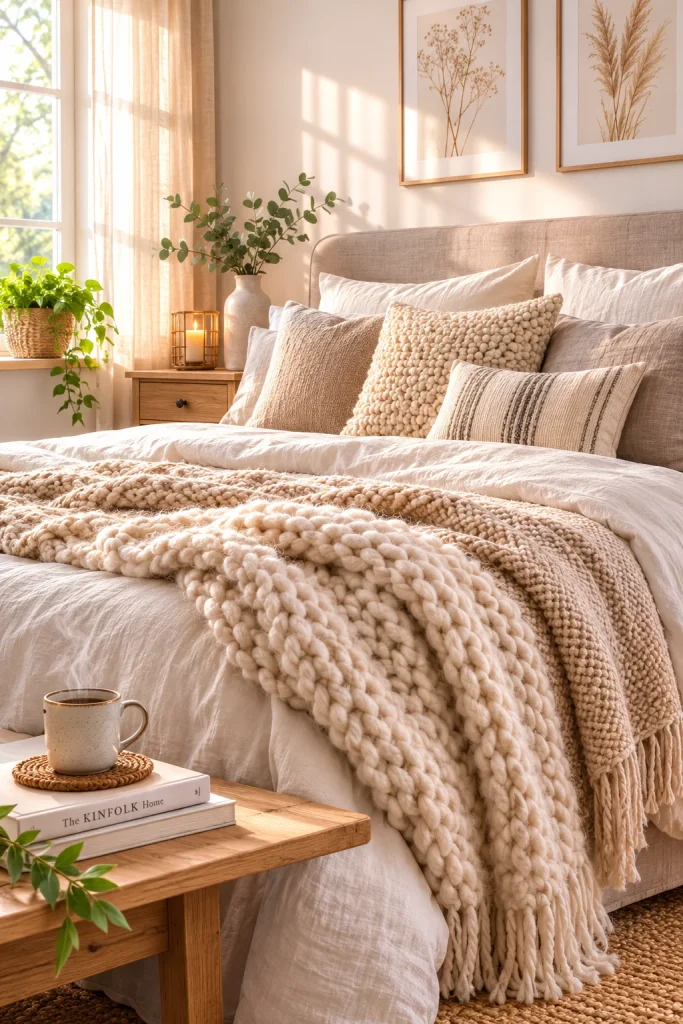
Textiles are what turn a simple Scandinavian room into a cosy one. Chunky knit throws, wool blankets, and soft linen cushions add texture and comfort. Without these layers, a minimal room can feel empty or unfinished. Textiles soften hard edges and invite you to relax and stay a while.
Mixing textures is key to getting this look right. Pair a smooth linen sofa with a chunky wool blanket and a few faux fur cushions. This contrast between rough and soft materials creates visual interest, even when the colour palette stays neutral throughout the whole room.
Do not forget the floor. A soft wool or sheepskin rug adds instant cosiness underfoot, especially during colder months. This is part of the Danish concept of hygge, which focuses on comfort, warmth, and simple pleasures found right at home.
4. Maximise Natural Light
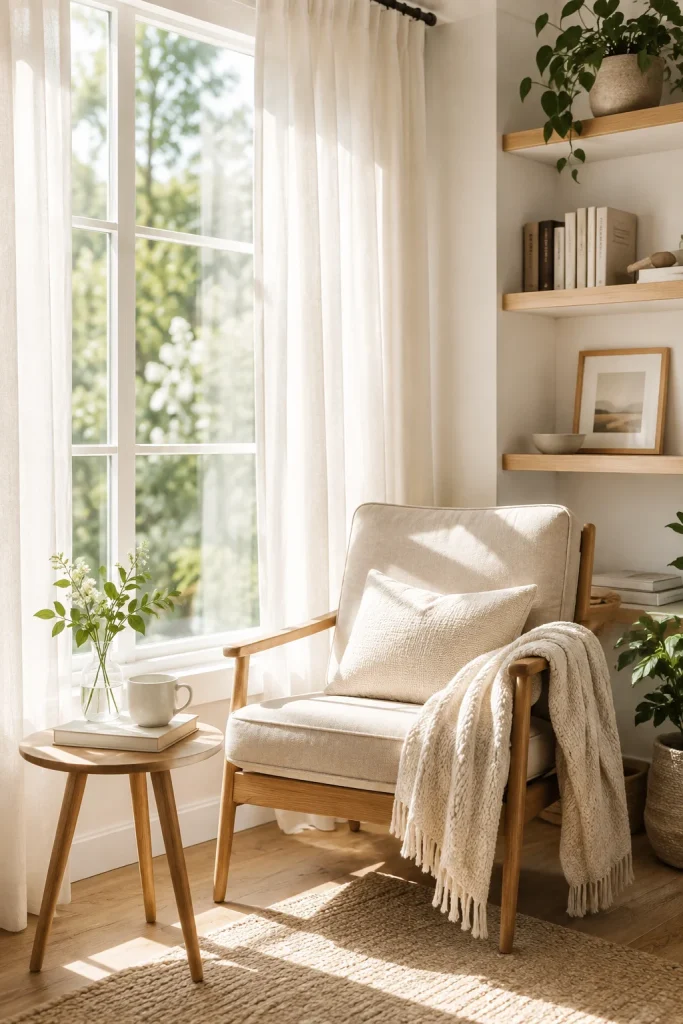
Natural light is treated like a design feature in Scandinavian homes. Long, dark winters in the Nordic countries taught people to make the most of every bit of sunlight. This is why windows are often left bare or covered only with sheer curtains that let light pass through freely.
To copy this idea, avoid heavy drapes and dark window treatments. Choose light linen or cotton curtains instead, or skip curtains entirely if privacy allows. Keep furniture away from windows so light can spread across the entire room, rather than getting blocked in one corner.
Mirrors are another simple trick used to boost natural light. Placing a large mirror across from a window bounces sunlight around the room, making the whole space feel brighter and more open. This works especially well in small apartments or rooms with only one window.
5. Choose Functional, Simple Furniture
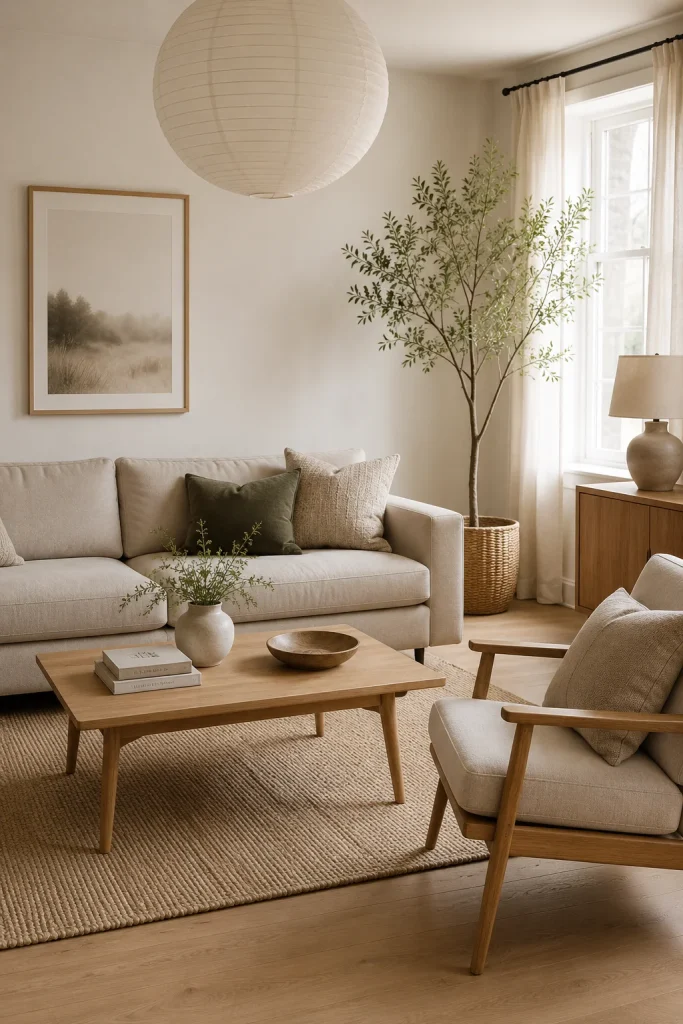
Scandinavian design values function just as much as looks. Furniture pieces are chosen for how well they work, not just how nice they appear. A sofa should be comfortable, a table should be practical, and storage should actually solve a problem in your daily life.
Clean lines are a signature part of this furniture style. Avoid ornate carvings, bulky frames, or busy patterns. Instead, look for simple silhouettes with rounded edges or straight legs. This kind of furniture ages well and rarely looks out of style, even years after you buy it.
Multi-purpose furniture is also common in Nordic homes, especially in smaller spaces. A storage ottoman, a bench with hidden compartments, or a coffee table with a shelf underneath all help keep rooms tidy. Function-first furniture supports the clutter-free feeling this style is known for.
6. Keep Decor Minimal and Intentional
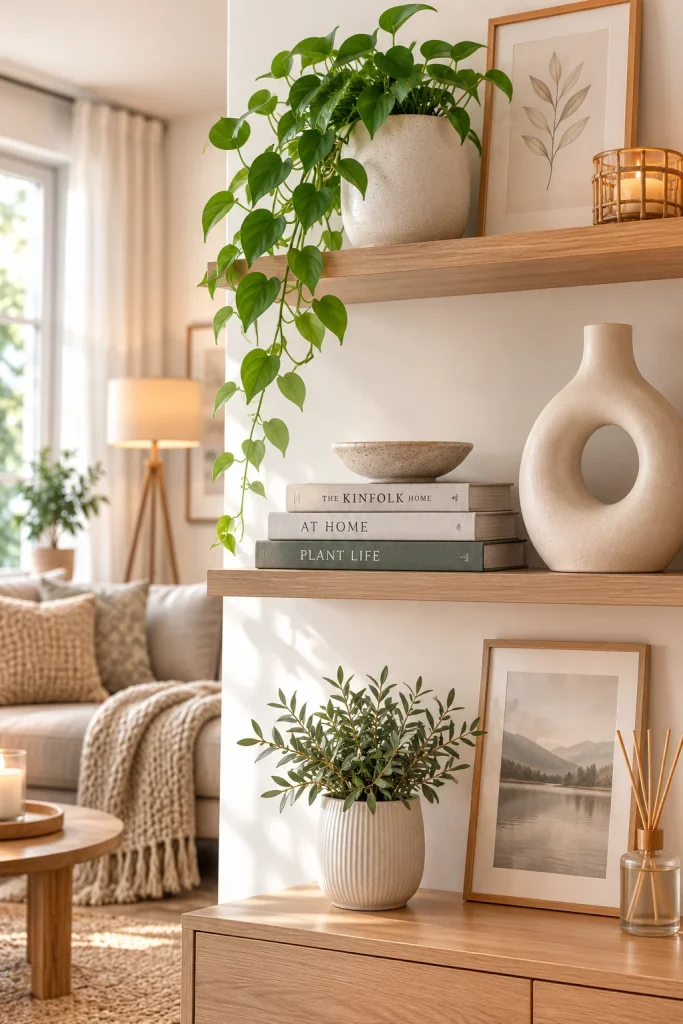
Less is more in Scandinavian interiors, and decor is no exception. Instead of filling every shelf and surface, choose a few meaningful pieces that you truly love. This might be a handmade ceramic vase, a black-and-white photograph, or a small sculpture passed down from family.
Space is not wasted space in this design style. Leaving room around your decor items lets each piece stand out on its own. A cluttered shelf can feel stressful to look at, while a shelf with just three thoughtful items feels calm, curated, and intentional.
When choosing new decor, ask yourself if the piece adds real value to the room. Scandinavian homeowners often follow a quality-over-quantity rule. One well-made item will always beat five cheap ones that add visual noise without adding any lasting charm.
7. Add Greenery for a Natural Touch
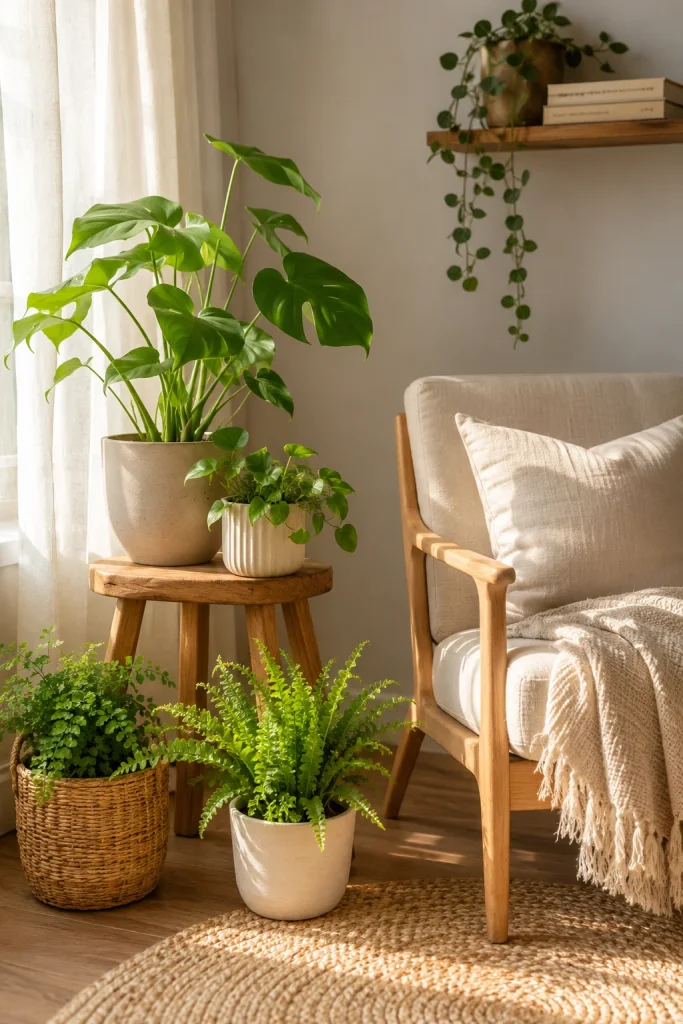
Plants play a big role in bringing life to a Scandinavian space. Since this style leans heavily on neutral colours and simple shapes, greenery adds a natural pop of colour without breaking the room’s calm mood. Even one or two plants can make a big visual difference.
Easy-care plants work best for this look. Snake plants, pothos, and rubber plants are popular choices because they are hard to kill and fit the minimal aesthetic well. Place them in simple terracotta or ceramic pots to match the natural, earthy feel of the rest of your decor.
Beyond looks, plants also improve air quality and can boost your mood at home. This connection to nature reflects the Nordic belief that a healthy home should feel like an extension of the outdoors, even during the coldest months of winter.
8. Use Soft, Ambient Lighting
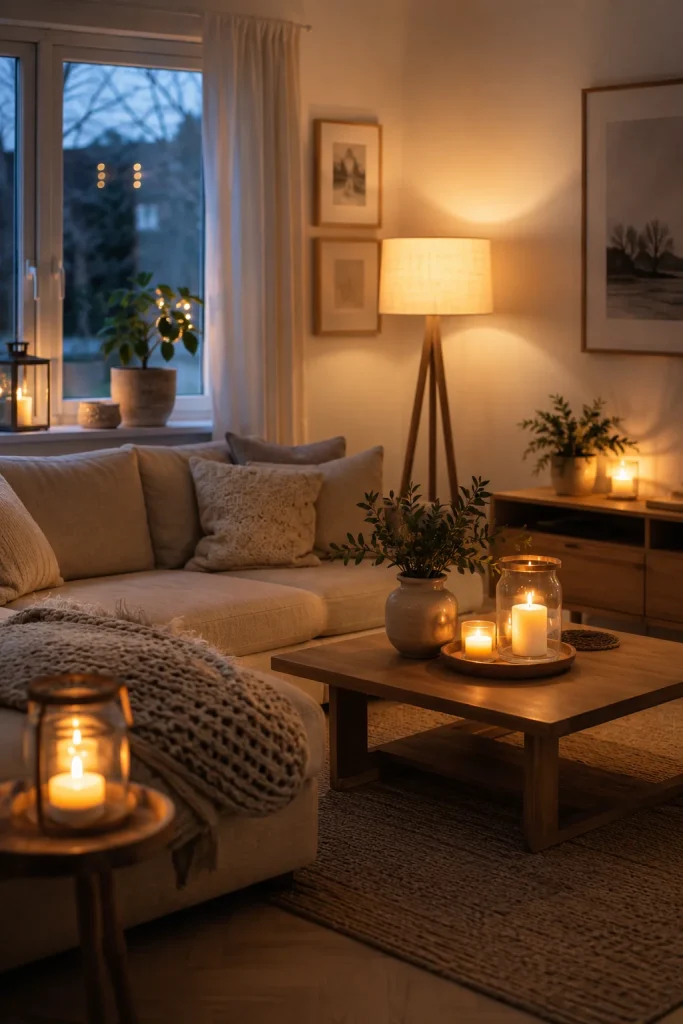
Lighting sets the mood in any Scandinavian home, especially once the sun goes down. Instead of relying on one bright overhead light, Nordic interiors use multiple soft light sources placed around the room. This creates a warmer, more relaxing glow throughout the evening hours.
Floor lamps, table lamps, and pendant lights with fabric or paper shades are common choices. These materials soften the light and avoid the harsh glare that comes from bare bulbs. Warm white bulbs, rather than cool white ones, also help create that cosy Scandinavian feeling after dark.
Candles are another must-have lighting element in this style. Simple pillar candles or small tealights placed on a coffee table or windowsill add instant warmth. This small habit reflects the hygge lifestyle, where soft light is used to make ordinary evenings feel a little more special.
9. Incorporate Black Accents for Contrast
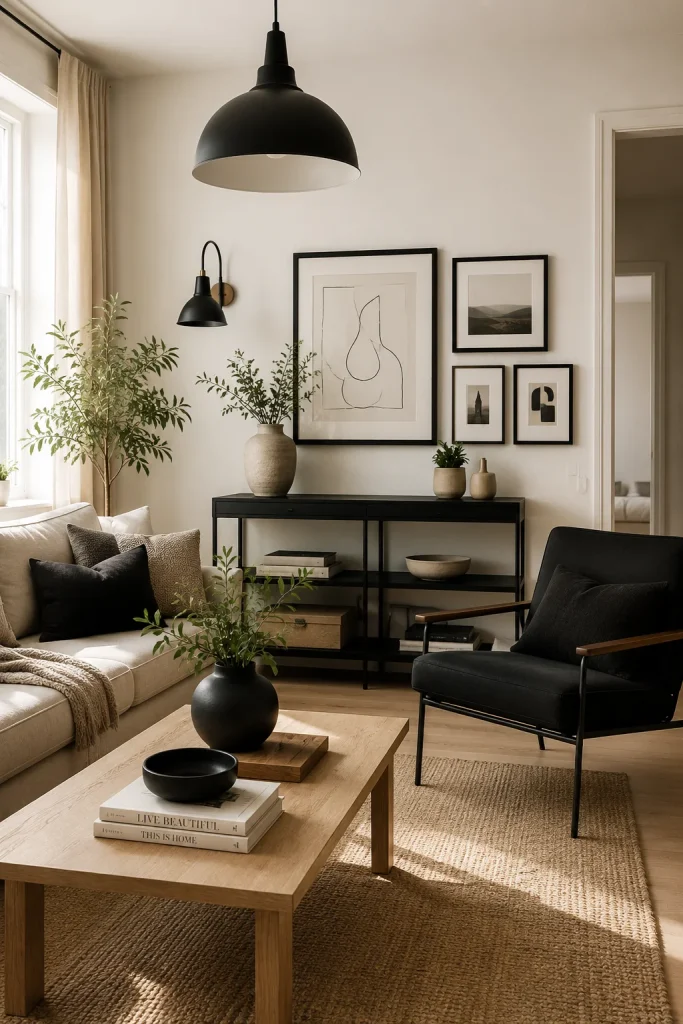
While Scandinavian design leans heavily on light colours, small black accents help keep a room from feeling flat. Black picture frames, matte black light fixtures, or a black accent chair add just enough contrast to make the space feel more grounded and modern.
This trick works because black is used sparingly, not as a main colour. A single black pendant light above a white dining table, or black hardware on light wood cabinets, creates a striking but balanced look. The goal is contrast, not a heavy or dark overall feeling.
Black accents also help define shapes within a minimal room. A black-framed mirror or black metal shelving stands out clearly against white walls, giving the eye a clear point to rest on. This small design choice adds personality without disturbing the calm Scandinavian mood.
10. Create a Cosy Reading or Relaxation Nook
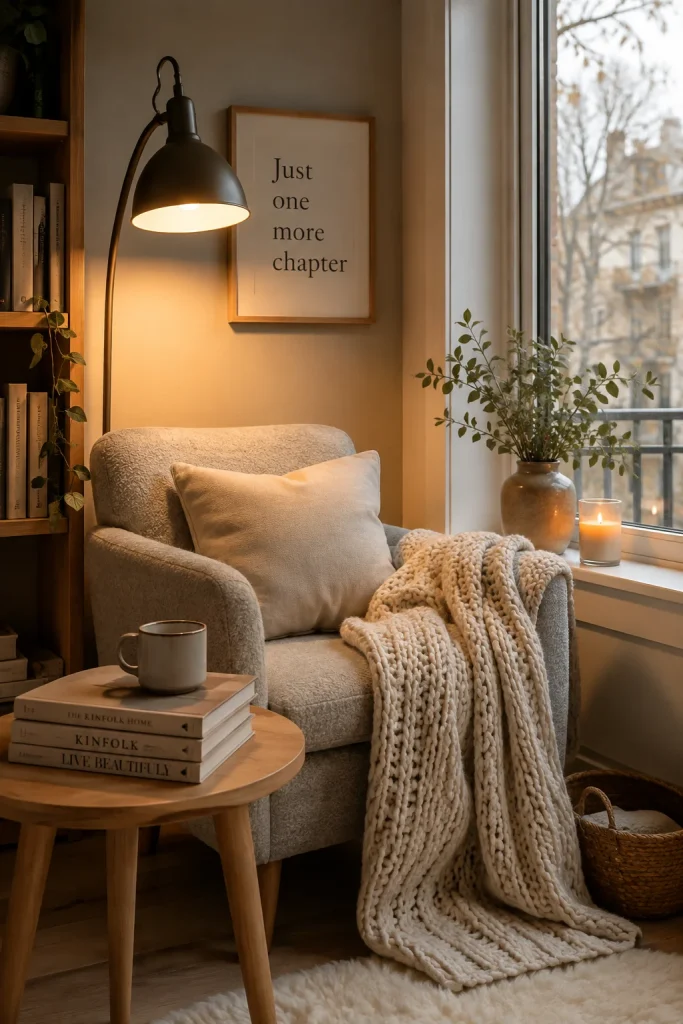
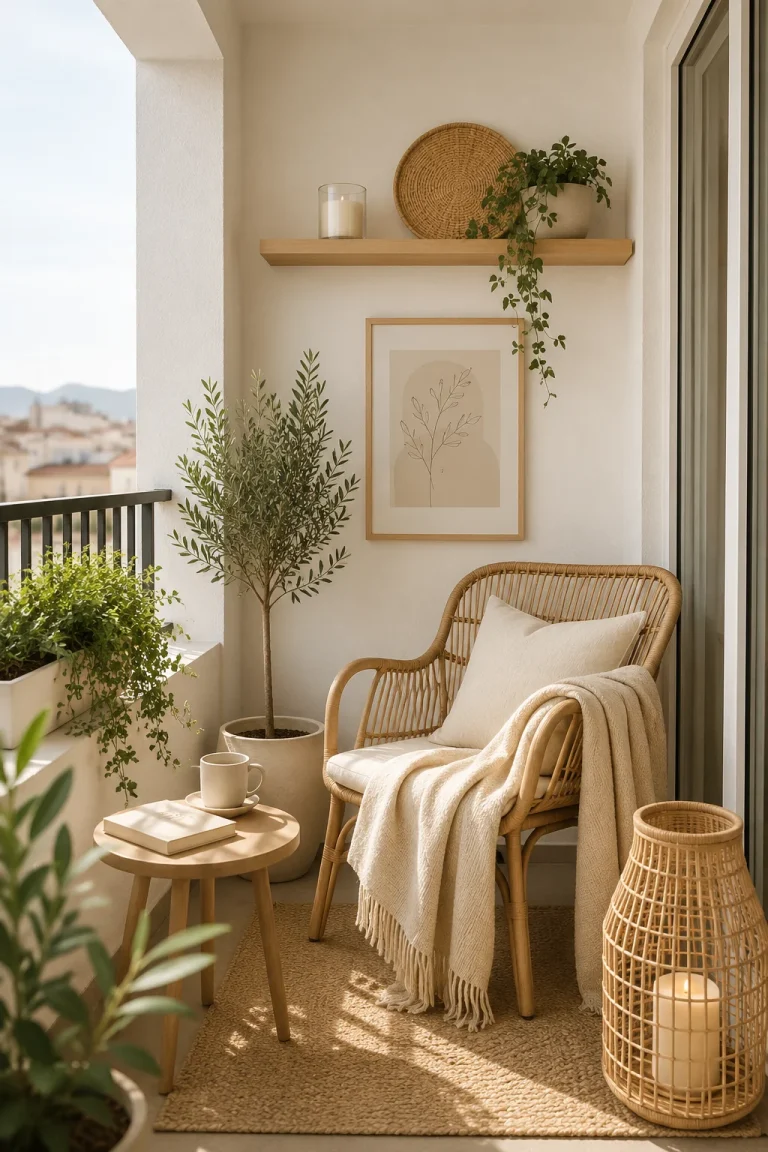
Every Scandinavian home seems to have one special corner set aside just for relaxing. This might be a window seat, a comfy armchair by a lamp, or a small bench with soft cushions. Having a dedicated nook encourages you to slow down and enjoy quiet moments at home.
To create your own nook, choose one comfortable chair and place it somewhere with good natural light. Add a small side table for your coffee or a book, along with a soft throw blanket within easy reach. Keep the space simple so it stays calm and uncluttered.
This idea captures the heart of Scandinavian living better than almost any other. It is not about having a perfect house full of expensive things. It is about creating small, cosy spaces where you actually want to spend your time.
Conclusion
Bringing Scandinavian design into your home does not have to be complicated or expensive. By starting with a neutral palette, adding natural wood and plants, layering cosy textiles, and keeping decor simple and intentional, you can create a space that feels both modern and warm. Try one or two of these ideas at a time, and slowly build a home that feels calm, welcoming, and truly yours.