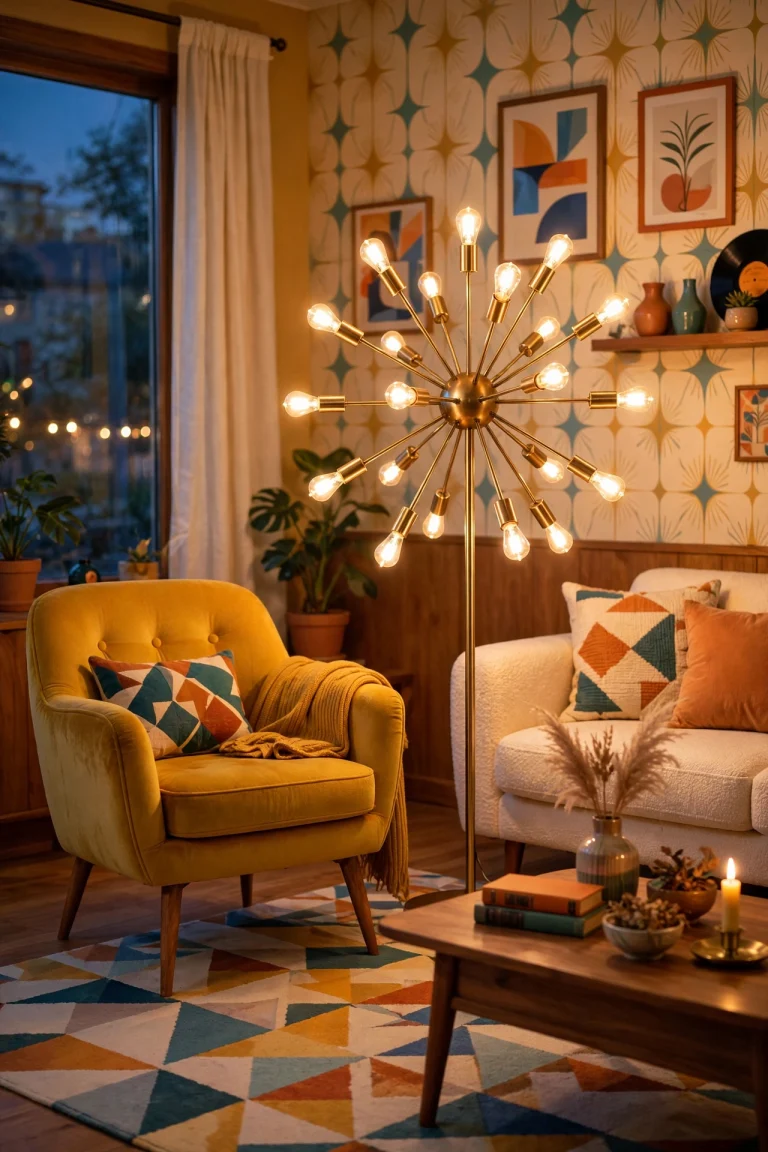
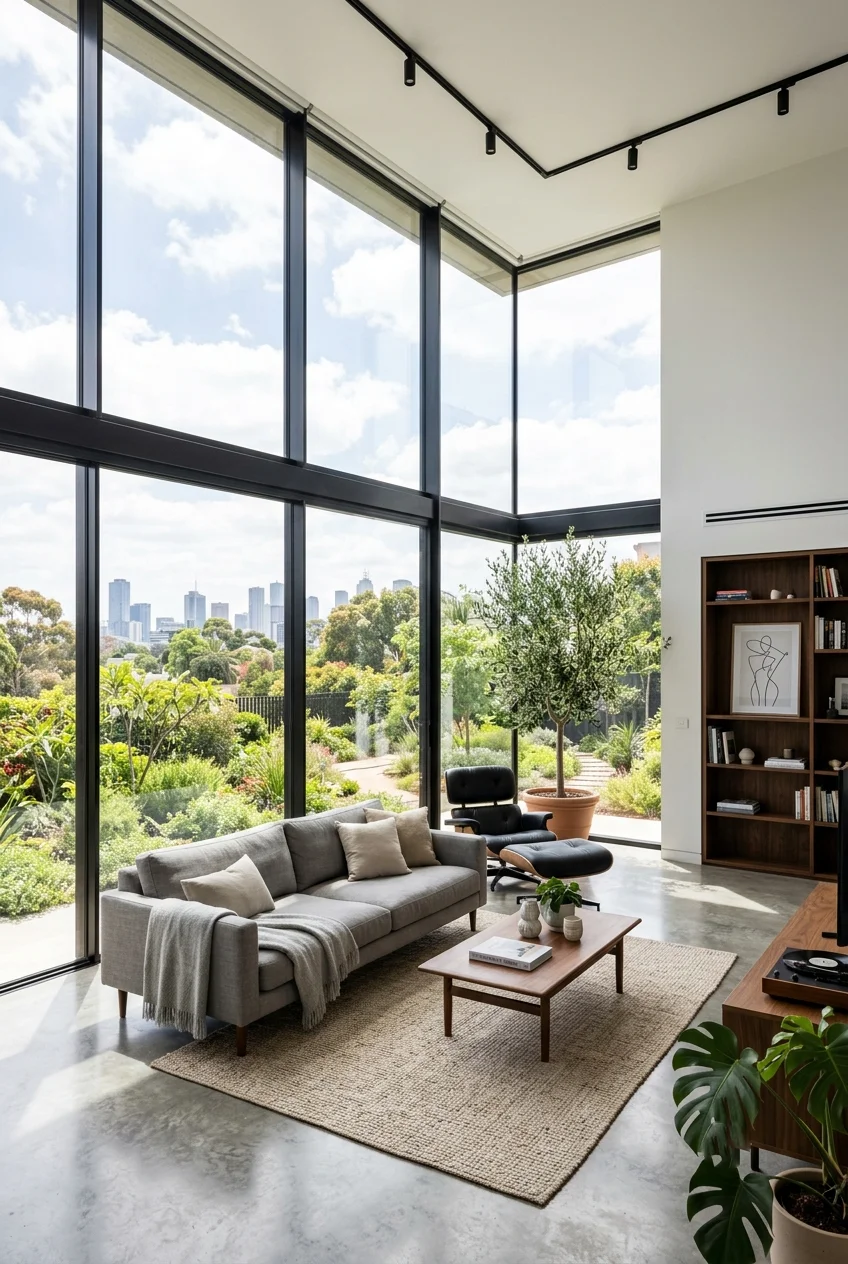
32 Contemporary Modern Interior Ideas for a Sleek, Stylish Home
You want your home to look clean, stylish, and put together — but every time you search for ideas, you end up more confused than inspired. There are too many styles and options, and it’s hard to know where to start. Contemporary modern interior design is one of the most popular home styles right now, and for a good reason. It’s simple, clean, and works in almost any space.
The good news is that you don’t need a big budget or a designer to pull it off. Small changes — the right furniture, lighting, or color — can completely change how a room feels. Modern interiors are all about purpose and flow, not clutter.
This article gives you 32 real, usable ideas, each with an image prompt. Whether you’re redecorating a single room or your entire home, you’ll find something here that clicks.
1. Neutral Color Palettes with Warm Undertones

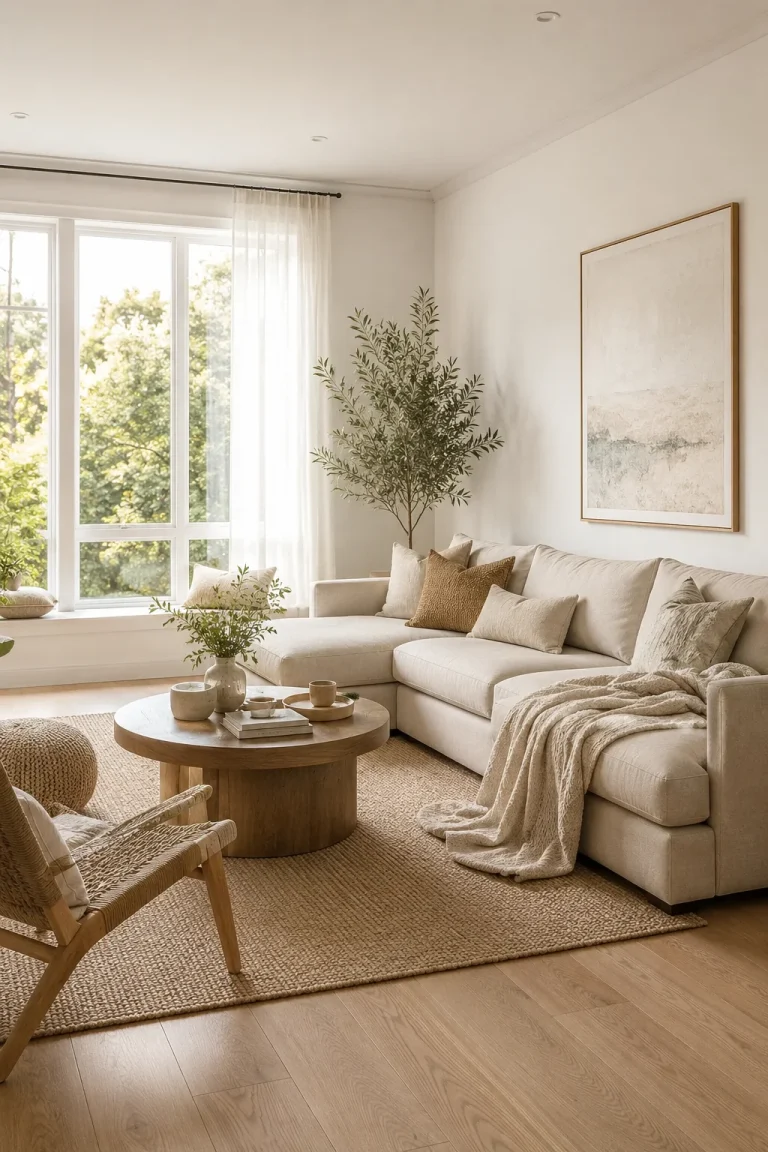
A neutral color palette doesn’t mean boring. Whites, creams, taupes, and warm grays create a calm, clean base that makes every other element in the room stand out. These colors also make spaces feel bigger and more open, which is a big win in smaller homes. The trick is to layer different shades of neutral so the room doesn’t feel flat.
Adding warm undertones — think ivory instead of stark white or greige instead of cool gray — keeps the space from feeling cold or sterile. This is one of the most popular choices in contemporary modern interiors because it works with almost any furniture style. Natural textures like linen, jute, and wood complement these tones perfectly.
You can bring in one or two deeper accent colors — dusty rose, sage green, or terracotta — without breaking the neutral theme. These small pops of color add personality without overwhelming the space. Keep it subtle and intentional.
2. Open Floor Plan Layouts

Open floor plans are a cornerstone of contemporary design. Removing walls between the kitchen, dining area, and living room creates a space that feels airy, connected, and easy to move through. It’s especially great for people who love to entertain. The whole home becomes one flowing space rather than a series of disconnected boxes.
The key to an open floor plan working well is using furniture and rugs to visually define each zone. A large area rug under the sofa creates a “living room,” while a pendant light above the dining table anchors that space. You don’t need walls to separate areas — placement and lighting do the job beautifully.
If you can’t knock down walls, try rearranging your furniture to mimic this open feel. Move bulky pieces away from doorways and create a natural traffic flow through the space. Even in smaller homes, this approach makes a noticeable difference.
3. Floor-to-Ceiling Windows

Nothing transforms a space like natural light, and floor-to-ceiling windows deliver it in abundance. They blur the line between indoors and outdoors, making any room feel larger and more connected to nature. In contemporary design, big windows are often the statement piece of the entire room.
If you already have large windows, make sure you don’t block them with heavy curtains or furniture. Opt for sheer linen drapes or simple roller blinds that let light in while still providing privacy when needed. Keep the window area as clear as possible so the view becomes part of your décor.
For those who can’t install full-height windows, tall mirrors placed near existing windows can mimic the same effect. They bounce light around the room, visually extending the walls upward. It’s a smart, budget-friendly alternative.
4. Minimalist Furniture with Clean Lines
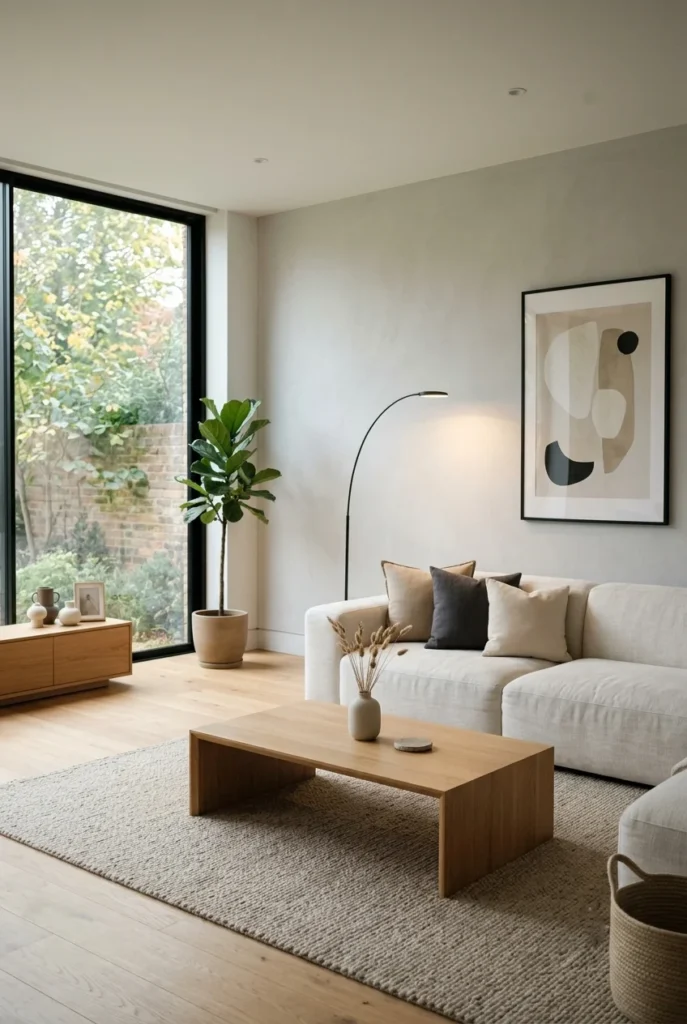
Minimalist furniture is defined by simplicity straight edges, flat surfaces, and no unnecessary ornamentation. A clean-lined sofa or a simple wood dining table can anchor an entire room without competing with anything else. This style is about letting each piece breathe and giving it space.
When shopping for contemporary furniture, look for pieces with tapered legs, simple silhouettes, and quality materials. Avoid anything overly ornate or overly detailed. The beauty of minimalist furniture is in its restraint — one well-chosen piece is always better than five average ones.
Less is genuinely more with this approach. You don’t need to fill every corner or surface. An empty corner with a single floor lamp is far more stylish than one packed with furniture. Let the room feel intentional and considered.
5. Statement Lighting Fixtures

Lighting is one of the easiest ways to upgrade a room’s entire look without touching the walls or furniture. A statement pendant light or an oversized floor lamp immediately draws the eye and gives the space a designer feel. In contemporary interiors, lighting is treated as art rather than just a function.
Choose fixtures with interesting shapes — geometric, sculptural, or asymmetric designs work particularly well in modern spaces. Matte black, brushed gold, and warm brass finishes are all trending and look great against neutral backgrounds. Even a single good light fixture can make a room look completely intentional.
Layer your lighting for the best results. Combine overhead lighting with task and ambient lighting — candles and LED strips under shelves — to create warmth and depth. Rooms with layered lighting always feel more luxurious than those with just one ceiling light.
6. Concrete and Raw Material Accents
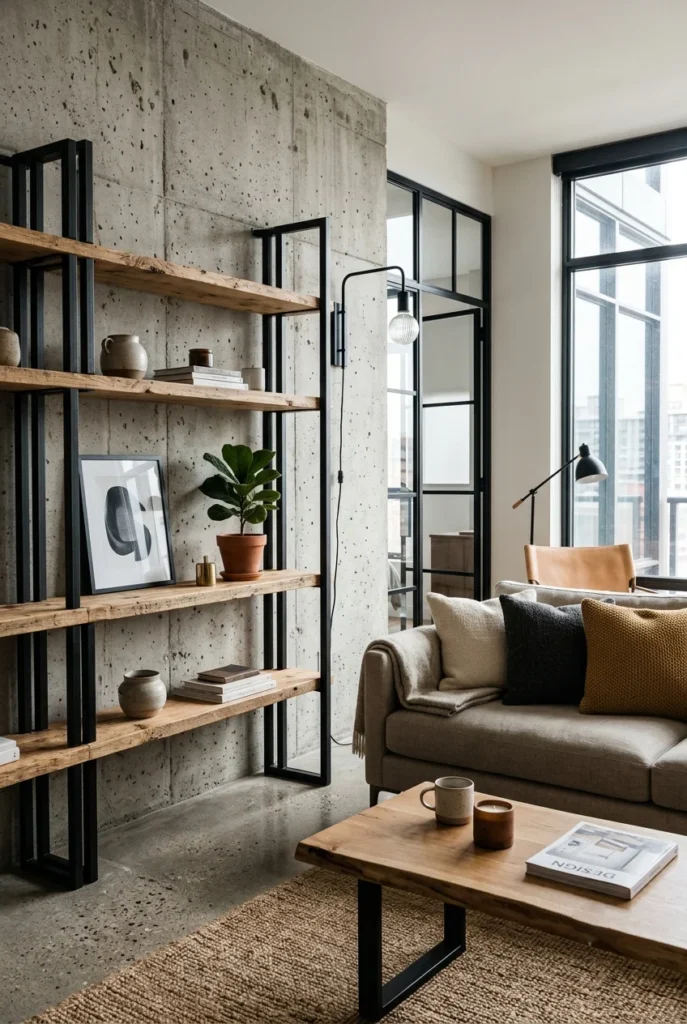
Raw materials like concrete, exposed brick, and unfinished wood add an urban, grounded feel to contemporary spaces. A concrete accent wall or a raw wood shelf introduces texture and depth without the need for color or pattern. These materials are honest and strong they don’t try to hide what they are.
Concrete in particular has become a hallmark of modern interior design. From polished floors to rough-textured walls, it works at multiple scales and in various finishes. Pair it with soft textiles like wool throws and linen cushions to balance out its hardness. The contrast between rough and soft is what makes these rooms so visually interesting.
You don’t need to go full industrial to use raw materials. Even a single concrete planter or a raw-edge wood shelf can bring this energy into a room. Think of these elements as grounding points that give your modern space texture and character.
7. Built-In Shelving and Storage
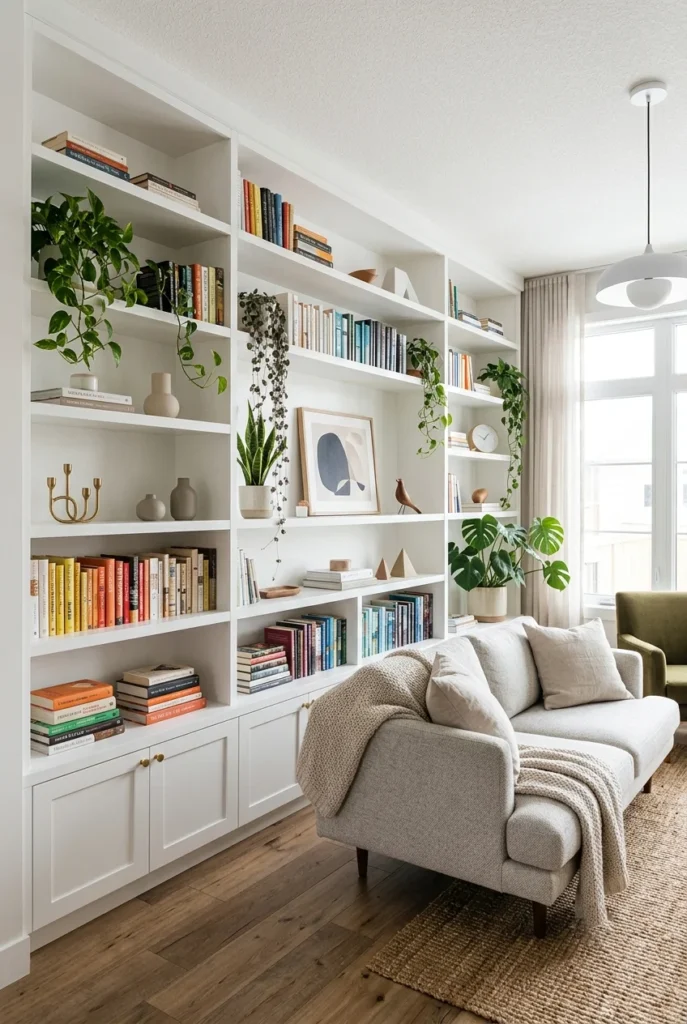
Built-in storage is one of the smartest investments you can make in a contemporary home. It maximizes every inch of wall space while keeping the room looking clean and uncluttered. Unlike freestanding bookshelves, built-ins look custom and intentional — as if the room was designed that way from the start.
The styling of your built-in shelves matters just as much as their structure. Use the rule of thirds when arranging objects — mix books with small plants, decorative objects, and empty space. Avoid filling every shelf to the brim. The gaps are just as important as what’s on display.
If full built-ins aren’t in your budget, modular wall-mounted shelving systems can achieve a similar look. Many flat-pack options are available that look polished and custom when installed thoughtfully. The key is keeping the color consistent with your walls so it feels integrated rather than added on.
8. Monochromatic Color Schemes

A monochromatic color scheme uses varying shades and tones of a single color throughout a room. It sounds simple, but done well, it creates a deeply sophisticated and cohesive look. Contemporary interiors lean heavily into this approach because it creates visual harmony without feeling chaotic.
The secret to pulling off a monochromatic scheme is variation in texture. If everything is the same color but different textures — matte, glossy, woven, smooth — the room feels rich rather than flat. A white room with a plaster wall, linen sofa, marble table, and cotton rug is far more interesting than it sounds.
Start with one color you love and build up from there. It doesn’t have to be white or gray — deep navy, warm terracotta, and sage green all work beautifully in monochromatic schemes. Just make sure you have enough contrast between your lightest and darkest tones to keep it dynamic.
9. Large-Format Floor Tiles

Large-format floor tiles — 60x60cm or bigger — are a contemporary design staple. They create a seamless, uninterrupted floor surface that makes rooms look larger and more polished. The fewer grout lines there are, the cleaner and more modern the floor looks.
Porcelain tiles in stone, concrete, or marble effects are especially popular because they give the high-end look of natural materials without the maintenance. Light-colored tiles brighten up a space, while darker tones add drama and depth. In open-plan areas, large tiles help visually unify different zones.
If you’re renovating, it’s worth investing in larger tiles even if they cost slightly more. The visual difference compared to small tiles is dramatic. They’re also easier to clean because there are fewer grout lines to deal with — a practical bonus alongside the style upgrade.
10. Biophilic Design — Bringing Nature Indoors

Biophilic design is about connecting your living space to nature. Large houseplants, natural materials, water features, and organic shapes all fall under this approach. It’s not just about aesthetics — bringing nature indoors genuinely reduces stress and improves mood.
In contemporary design, plants are styled just as intentionally as furniture. A large fiddle-leaf fig in a white pot, trailing pothos on a floating shelf, or a cluster of different-sized plants in a corner — these arrangements feel deliberate and designed. Choose pots that complement your color palette rather than clash with it.
You don’t need a green thumb to pull this off. Opt for low-maintenance plants like snake plants, ZZ plants, or pothos if you’re not confident with plant care. Even a single large statement plant in the right spot can transform a room completely.
11. Japandi Style — Japanese-Scandinavian Fusion

Japandi is the fusion of Japanese minimalism and Scandinavian warmth, and it’s one of the most sought-after styles in contemporary interior design. It combines the Scandinavian love of cozy, functional design with the Japanese appreciation for simplicity, natural materials, and imperfection. The result is serene, grounded, and deeply beautiful.
Key elements include low-profile furniture, natural wood, muted earth tones, and carefully chosen objects with meaning or function. There’s no room for clutter in Japandi — every item earns its place. The style favors artisan craftsmanship and handmade objects over mass-produced décor.
To bring Japandi into your home, start by decluttering ruthlessly. Then introduce natural wood furniture, neutral textiles, and a few intentional décor pieces — a handmade ceramic vase, a linen cushion, a simple wooden tray. Less is always more with this style.
12. Smart Home Technology Integration
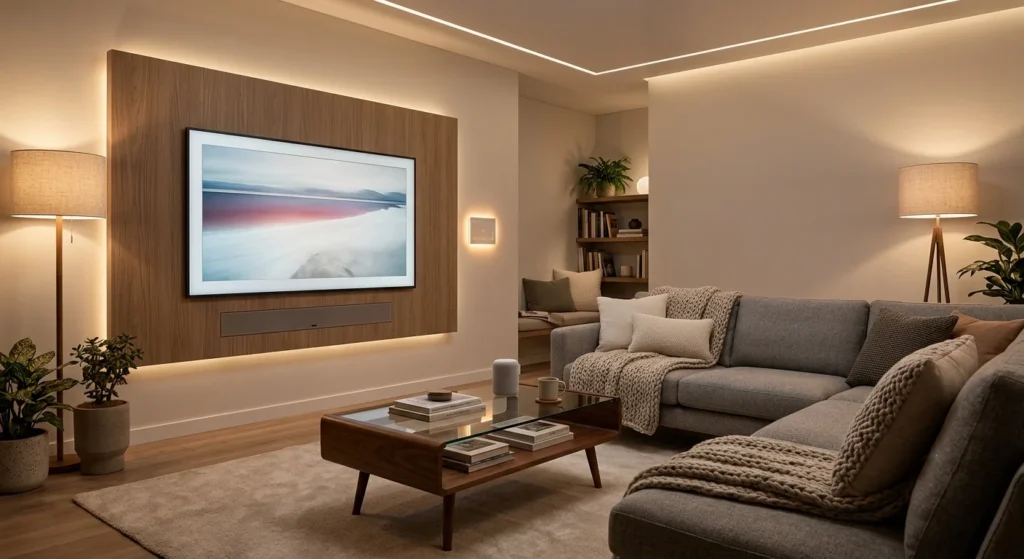
Contemporary homes increasingly integrate smart technology — but the key is to do so invisibly. Visible cables, mismatched chargers, and tech clutter immediately break the clean aesthetic. The goal is for the technology to enhance the space without visually dominating it.
Smart lighting systems, hidden speaker installations, automated blinds, and built-in charging docks all contribute to a home that functions seamlessly. Wall-mounted TVs with cable management panels keep the living room looking sharp. Smart thermostats in sleek housings blend into the wall rather than standing out.
Think of technology as infrastructure rather than decoration. The best-designed smart homes are the ones where you barely notice the tech is there — it just works quietly in the background, making daily life smoother and more comfortable.
13. Curved Furniture and Organic Shapes

After years of sharp edges and angular furniture, contemporary design has enthusiastically embraced curves. Rounded sofas, oval dining tables, arched mirrors, and circular rugs are everywhere right now — and they bring a softness and warmth that straight lines simply can’t. Curved furniture feels inviting and human.
The most popular curved piece right now is the bouclé or velvet rounded sofa. It’s sculptural enough to be a statement piece but comfortable enough for everyday use. Pair it with a round coffee table to continue the curved theme, and add an arched floor lamp to further echo the shapes.
Curves also work particularly well in smaller spaces because they don’t have hard visual corners that can make a room feel cramped. An oval dining table in a small dining room will always feel less imposing than a rectangular one. Don’t be afraid to mix curves with more angular pieces — the contrast keeps it interesting.
14. Dark and Moody Accent Walls

A dark accent wall is one of the fastest, most impactful changes you can make to a room. Charcoal, navy, forest green, or deep terracotta on a single wall creates instant drama and depth. It makes the room feel more intimate and gives neutral furniture something bold to contrast against.
The key is to choose the right wall — typically the one your eye is naturally drawn to when you enter the room, often the wall facing the door or the one behind the bed or sofa. Dark walls are particularly effective in bedrooms and home offices where you want to create a cocooning, focused atmosphere.
Don’t let the idea of dark paint scare you. A dark wall in a well-lit room can look incredibly sophisticated. Balance it with lighter furniture and warm-toned accessories to prevent it from feeling heavy.
15. Textured Wall Treatments

Flat, painted walls are fine — but textured wall treatments take a room to the next level. Limewash paint, Venetian plaster, boucle panels, and fluted wall tiles all add dimension and visual interest without the need for art or shelves. The wall itself becomes the feature.
Limewash in particular has had a huge comeback in contemporary interiors. Its soft, chalky finish with natural variation and depth is both ancient and completely modern at the same time. It works beautifully in living rooms, bedrooms, and dining areas. The organic imperfection of limewash feels warm and artisan in a way that standard paint never can.
If DIY is your thing, limewash paint is one of the more forgiving wall treatments to apply yourself. Many brands now offer easy-to-use kits. For plaster effects, a professional finish is worth the investment — the impact on the room is dramatic and long-lasting.
16. Handleless Kitchen Cabinetry

Handleless kitchen cabinetry is the ultimate expression of modern kitchen design. Without visible hardware, the cabinet fronts create a completely seamless, uninterrupted surface that looks incredibly clean and considered. Push-to-open mechanisms or J-pull edges maintain the minimalist look.
This style works in virtually any color — white, matte black, sage green, navy, or warm wood veneer. The absence of handles actually allows the cabinet color and material to take center stage. A handleless dark green kitchen with a stone countertop, for example, is a showstopper with very few elements.
Handleless kitchens are also easier to clean since there are no hardware pieces to wipe around. For anyone renovating a kitchen with a contemporary aesthetic in mind, this is one choice you’re unlikely to regret.
17. Mixed Metal Finishes

The old rule of matching all your metals has been completely thrown out in contemporary design. Mixing finishes — matte black, brushed gold, chrome, and aged bronze — adds depth and intentionality when done thoughtfully. The key word is “intentional” — it should look curated, not random.
A good starting point is to pick two metals and repeat them throughout the space. Brushed brass for lighting and cabinet hardware, paired with matte black for faucets and towel bars, creates a layered look that feels rich without being chaotic. Aim for one dominant metal and one accent metal.
Mixing metals is especially effective in bathrooms and kitchens where there are multiple hardware elements. When you see two complementary metals repeated throughout a space — on the mirror frame, faucet, towel ring, and light fixture — it immediately looks professionally designed.
18. Floating Vanities and Wall-Mounted Furniture

Wall-mounted and floating furniture are among the smartest design tricks in contemporary interiors. When furniture is raised off the floor, you can see more of the flooring beneath it, which makes any room feel larger and more open. Floating vanities in bathrooms, wall-mounted TV units, and floating desks all carry this benefit.
In bathrooms, a floating vanity in natural wood or a painted finish completely transforms the space. Pair it with an undermount sink and a frameless mirror for a clean, hotel-like aesthetic. The exposed floor space underneath makes cleaning easier too — a practical advantage alongside the visual one.
For living rooms, a floating TV unit keeps the focus on the screen without the clutter of a bulky cabinet on the floor. Adding a subtle LED strip beneath creates a floating glow effect that looks spectacular in the evening.
19. Gallery Walls Done the Modern Way

Gallery walls in contemporary interiors are a far cry from the chaotic mix-and-match style of previous decades. Modern gallery walls are curated, cohesive, and usually follow a grid or structured arrangement. The frames are typically all the same color — black, white, or natural wood — even if the artwork inside varies.
Choose a unifying theme for your artwork — black-and-white photography, abstract prints, botanical illustrations, or architectural line drawings. Consistency in theme makes even a large collection of different pieces feel intentional. Mixed themes without a clear direction tend to look cluttered rather than curated.
Use a large piece of paper to plan your arrangement on the floor before committing anything to the wall. Mark the frames on paper and tape them up to test the layout. This saves a lot of unnecessary nail holes and helps you see the overall composition before it’s permanent.
20. Natural Stone Surfaces

Natural stone — marble, travertine, limestone, and quartzite — brings an unmatched sense of luxury and permanence to contemporary interiors. Stone countertops, feature walls, and bathroom floors all add depth and natural variation that manufactured materials simply can’t replicate. Every slab is unique, which makes it inherently personal.
Marble is the most iconic choice, but travertine has made a huge comeback in recent years. Its warm, earthy tones and textured surface make it perfect for bathrooms and living room floors. Quartzite offers the look of marble with more durability — a practical choice for high-use surfaces like kitchen countertops.
If natural stone is outside your budget, large-format porcelain tiles in realistic stone effects have improved dramatically in quality and are now virtually indistinguishable from the real thing at a fraction of the cost. The aesthetic payoff is similar, especially in well-lit spaces.
21. Boucle and Textured Upholstery

Boucle — the looped, nubby fabric that looks like fluffy wool — has become one of the defining textures of contemporary interior design. Sofas, armchairs, ottomans, and headboards in boucle add incredible warmth and tactile interest to a room. It’s visually and physically soft, a rare combination in statement furniture.
The beauty of boucle is that it works as both a neutral and a focal point. An off-white boucle sofa in a room is calm and versatile, yet the texture alone makes it interesting enough to anchor the space. It pairs beautifully with warm wood, brass, and other natural materials.
Beyond boucle, other textured upholstery — velvet, waffle weave, and ribbed fabrics — follow the same principle. Layer different textures on cushions and throws to add depth without adding color. A sofa with a boucle cushion, a velvet throw, and a woven pillow will always look more considered than one with all-matching accessories.
22. Indoor-Outdoor Living Spaces

Contemporary homes increasingly blur the boundary between inside and outside. Large sliding or bi-fold doors that open fully onto a terrace or garden create a sense of space and freedom that transforms daily living. When the doors are open, the outdoors becomes an extension of your living room.
To visually connect these spaces, use a consistent flooring material or color palette between indoor and outdoor spaces. If your living room has large light tiles inside, continuing a similar tone in the outdoor paving reinforces the seamless transition. Matching or complementary furniture also helps tie the spaces together.
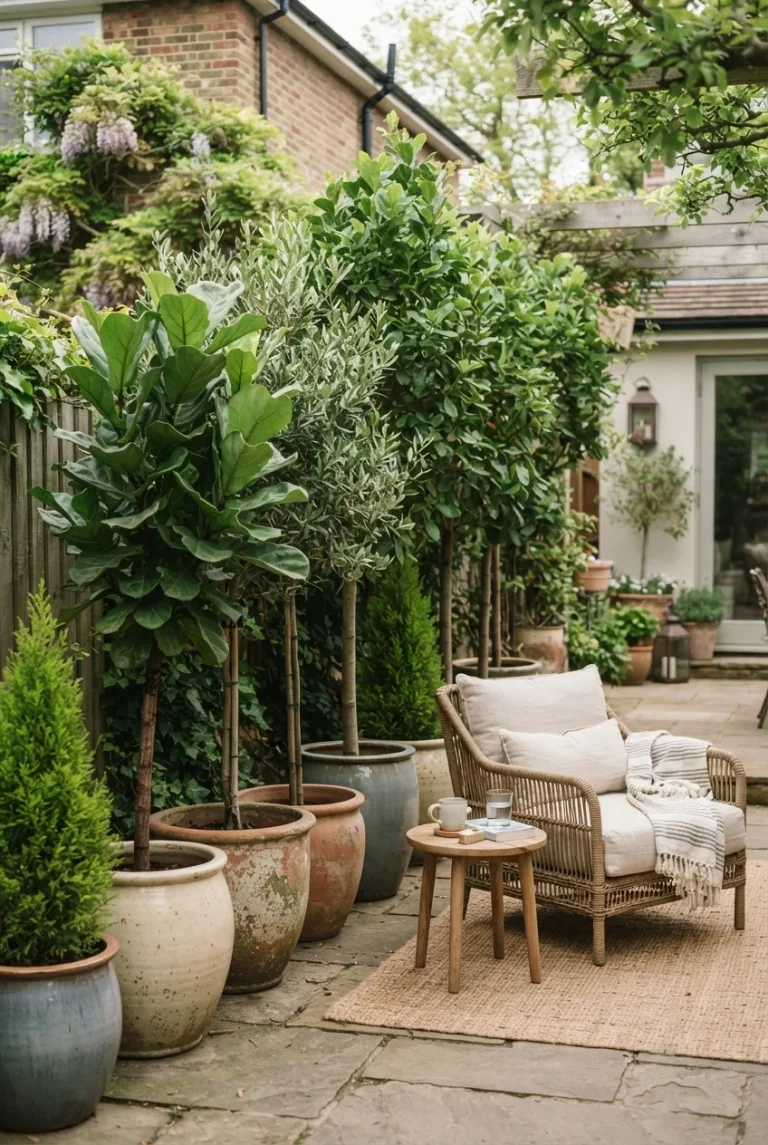
Even if you don’t have bi-fold doors, a patio or balcony styled with good outdoor furniture, plants, and lighting can significantly extend your living space. Position your indoor furniture to face the outdoor view, and keep window treatments minimal so the connection between the two spaces feels alive.
23. Arched Doorways and Architectural Details

Arched doorways have become one of the most popular architectural details in contemporary interiors. They soften the hard geometry of a modern home and add a sense of craftsmanship and intention that standard rectangular openings lack. An arch in a doorway, a window niche, or a built-in alcove is an instant character upgrade for any home.
The appeal of arches lies in their duality — they feel both timeless and completely on trend at once. They work particularly well in homes with white or limewashed walls, where the arch’s curved line becomes a subtle yet striking architectural feature.
If you’re renovating, adding an arched doorway between rooms is a relatively straightforward change that can completely alter a space’s character. Even arched mirror frames and arched cabinet doors bring this shape into a room without structural changes.
24. Layered Rugs

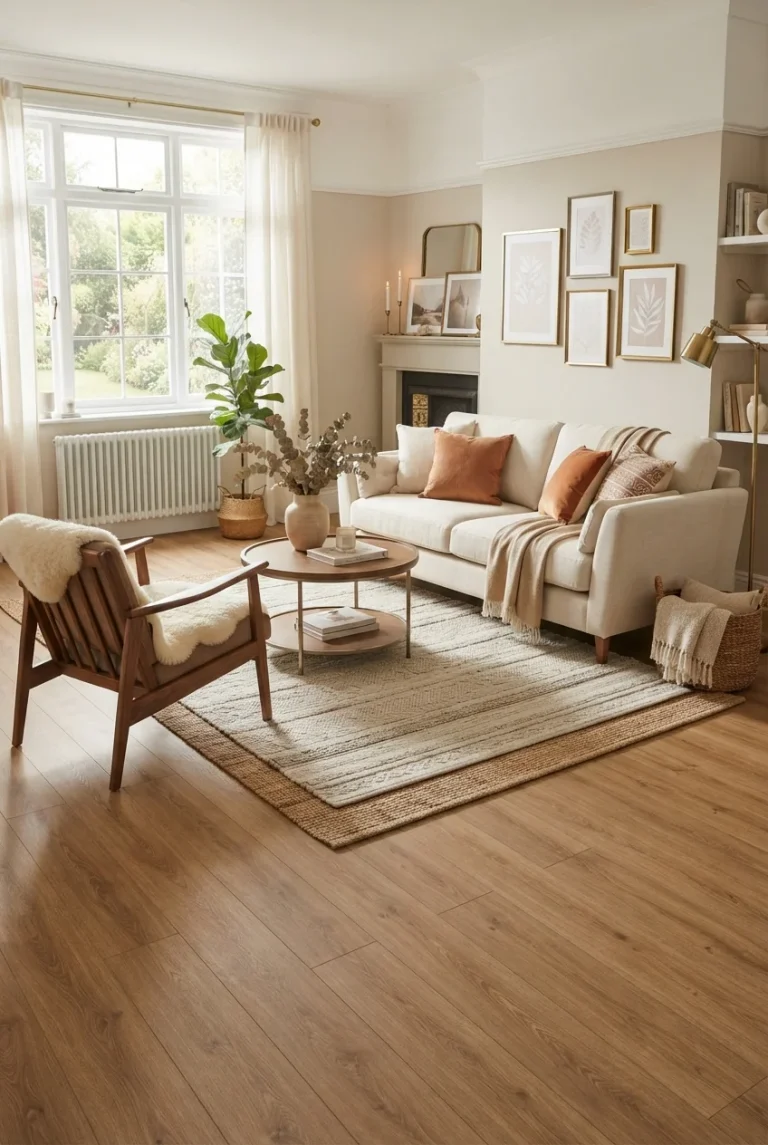
Layering rugs is one of the easiest styling tricks to make a living room or bedroom feel curated and full of personality. A large natural jute or sisal rug as the base layer provides texture and grounds the space, while a smaller patterned or plush rug on top adds color and softness. The combination creates visual depth that a single rug rarely achieves.
The key to layering rugs successfully is scale — the base rug should be significantly larger than the top rug, and the top rug should sit mostly within the furniture arrangement. A mismatched scale makes the room feel disjointed. Get this right, and it instantly looks intentional and styled.
Color coordination matters too. If your base rug is neutral, your top rug can introduce a bold pattern or deeper tone. If both rugs are patterned, make sure they share at least one color in common to keep the combination cohesive.
25. Home Office with Integrated Design
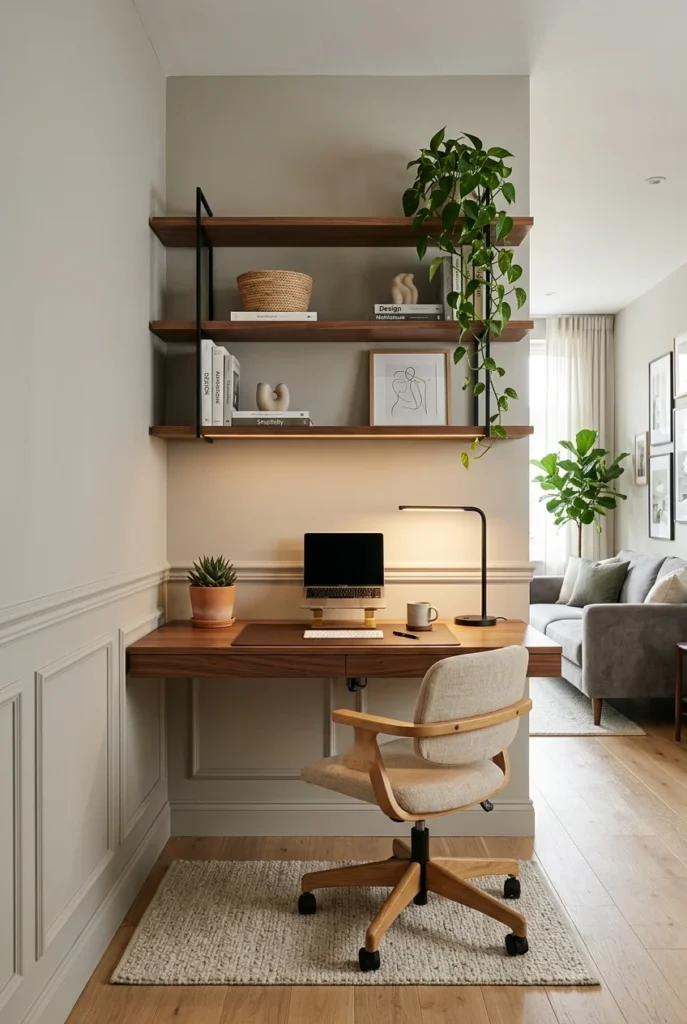
As home working has become a permanent part of life for many people, integrating a workspace into a living space without it looking like an office is a genuine design challenge. The best solutions are those where the workspace looks like a natural extension of the room — not a desk crammed into a corner.
A built-in desk at the same height and color as surrounding shelving makes the office invisible when not in use. A dedicated alcove or recess is another smart approach — the workspace is defined but contained. Warm task lighting and a comfortable chair that doubles as occasional seating complete the integration.
Keep work equipment tidy and off surfaces when not in use. Cable management, drawer organizers, and stylish storage boxes all help. The goal is a workspace that disappears into the room at the end of the working day so your home doesn’t permanently feel like an office.
26. Statement Mirrors

A large, well-placed mirror is one of the most powerful tools in interior design. It reflects light, makes spaces feel twice as large, and adds a focal point to any wall. In contemporary design, mirrors with interesting shapes — round, arched, irregular, or leaning — function as art as much as they do as mirrors.
An oversized round mirror above a console table in a hallway is a timeless contemporary look. A full-length leaning mirror in a bedroom or dressing room is both practical and stylish. In living rooms, a large mirror placed to reflect natural light or a garden view brings the outdoors in without opening any doors.
When choosing a frame, match it to your other metal tones or keep it consistent with your overall material palette. Frameless mirrors work brilliantly in minimalist and Japandi spaces. Ornate or unusual frames add character in spaces that are otherwise quite neutral.
27. Terracotta and Earth Tone Accents

Earth tones — terracotta, burnt sienna, warm rust, dusty clay, and ochre — have moved firmly into contemporary design and show no signs of leaving. These colors bring warmth, comfort, and a connection to the natural world that cooler contemporary palettes often miss. They work beautifully as accents against white, cream, or warm gray backgrounds.
The easiest way to introduce terracotta into your home is through accessories — cushions, throws, ceramic vases, candle holders, and planters. You get the warmth and color without any commitment. If you love the look, you can then scale up to a terracotta accent wall or tiles.
Terracotta works particularly well in rooms with natural light. Morning sunlight hitting a terracotta pot or rust-toned cushion creates a warm, inviting glow that feels even better in person than it looks in photos. It’s an underrated tool for making a home feel genuinely cozy.
28. Wabi-Sabi Inspired Décor

Wabi-sabi is the Japanese philosophy of finding beauty in imperfection and impermanence. In interior design, it translates to handmade objects, irregular shapes, worn textures, and natural materials that carry visible marks of time and use. It’s the antidote to perfectly polished, overly curated interiors.
A hand-thrown ceramic bowl, a linen cushion with natural creasing, a worn wooden cutting board on display, or a simple branch in a vase — these are all wabi-sabi elements. They don’t need to be expensive or rare. The value is in the authenticity and the story they carry, not the price tag.
In a contemporary interior, wabi-sabi accents prevent the space from feeling too perfect or corporate. They add humanity and warmth that mass-produced décor rarely achieves. Think of them as the elements that make your home feel lived-in and genuinely yours.
29. Fluted and Ribbed Textures
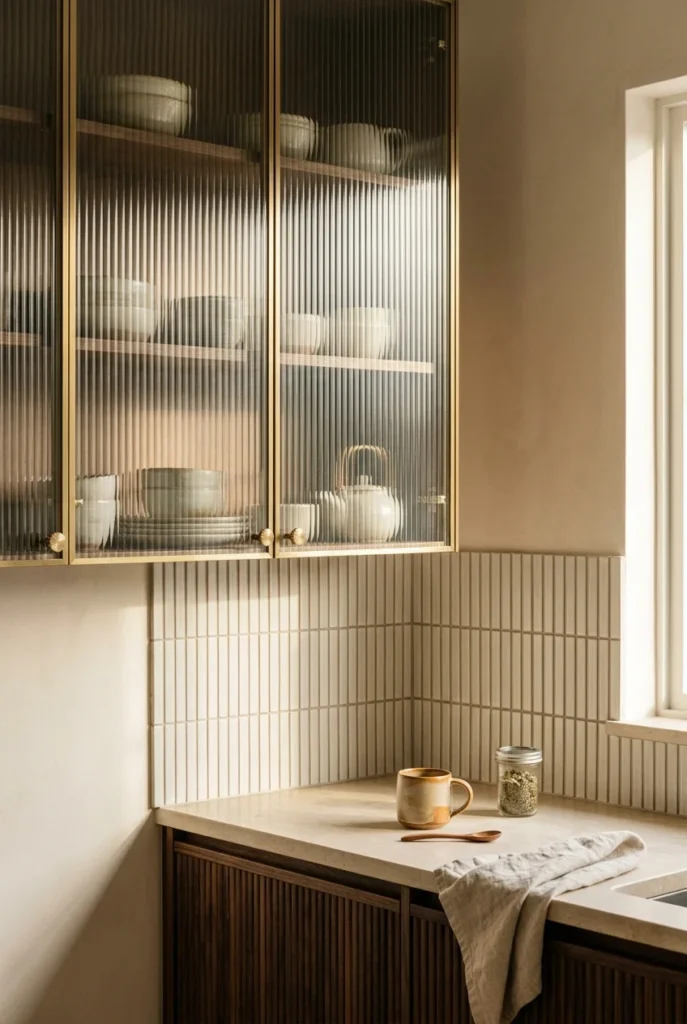
Fluted and ribbed textures — vertical grooves and channels — have become one of the most widely used design details in contemporary interiors. From cabinet fronts and island cladding to wall panels and bathroom tiles, this texture adds rhythm and depth to flat surfaces. It catches light beautifully and creates visual interest without color or pattern.
Fluted glass in cabinet fronts is a particularly popular application — it softens the kitchen look, hints at what’s inside without fully revealing it, and brings an elegant, slightly Art Deco quality to an otherwise minimal space. Fluted wood panels as a feature wall or wardrobe front have the same effect in bedrooms and living rooms.
Ribbed tiles in a bathroom — especially in a wet room or as a shower niche detail — create a sculptural, spa-like quality. Even small quantities of this texture make a significant visual impact. It’s one of those details that elevates a room from nice to genuinely impressive.
30. Sustainable and Natural Materials

Sustainability is no longer just a trend in interior design — it’s becoming a standard in how people choose for their homes. Natural materials like rattan, bamboo, reclaimed wood, natural stone, and organic textiles are sustainable choices that also look beautiful and work effortlessly in contemporary spaces.
Rattan and cane have made a massive comeback, appearing in chairs, headboards, cabinet fronts, and pendant lights. Paired with a modern neutral palette, rattan brings warmth and an organic quality without veering into overly boho territory. It’s one of those materials that beautifully bridges rustic and contemporary.
When you choose natural materials, you’re also investing in pieces that age more gracefully than synthetic alternatives. A solid wood dining table improves with use. A rattan armchair develops character over time. These materials reward long-term ownership in a way fast furniture never does.
31. Spa-Like Bathroom Design

A spa-like bathroom transforms the daily routine of showering and washing into something genuinely restorative. Contemporary bathroom design focuses on natural materials, warm lighting, clean lines, and thoughtful storage to create this hotel-like quality at home. The goal is a space that feels calm, clean, and indulgent every single day.
Key elements include a large walk-in shower with a rainfall showerhead, a freestanding bathtub if space allows, warm-toned stone or tile, and carefully layered lighting. Avoid harsh overhead lighting in bathrooms — warm wall sconces on either side of a mirror are far more flattering and create a much more spa-like atmosphere.
Storage is critical in a bathroom that looks effortlessly tidy. Built-in niches in the shower wall, floating vanities with deep drawers, and closed cabinetry keep products out of sight. The visual cleanliness of a tidy bathroom is 90% of what makes it feel luxurious.
32. Personalized Entryways
The entryway is the first space you and your guests experience when entering your home — and it sets the tone for everything that follows. A well-designed contemporary entryway conveys the home’s character in just a few square feet. It deserves as much attention as any other room.
A slim console table, a statement mirror, and good lighting are the three non-negotiables of a functional and stylish entryway. Add wall hooks or a built-in coat nook for practical storage, and include one plant or vase to bring in a touch of life. Keep the color palette consistent with the rest of your home to create a seamless transition.
Even the smallest entryway can be transformed with these elements. A tiny hallway with a well-placed mirror and a single good pendant light will feel intentional and welcoming. Don’t overlook this space — it’s the first impression your home makes every single day.