
12 Ways to Clean an Area Rug Without Damaging the Fibres
A dirty rug can ruin the whole look of a room, but scrubbing it the wrong way can wreck it even faster. That’s the real problem: most people damage their rug while trying to clean it. Learning how to clean an area rug the right way protects the fibres, the colour, and the money you spent on it.
The good news is that a beautiful, soft rug does not have to end up faded, matted, or stiff. With a few simple habits, you can keep your rug looking fresh for years instead of months. This guide will show you exactly that.
Below are 12 easy, fibre-safe ways to clean your rug at home. Each one is simple enough for a beginner but effective enough actually to protect your investment.
1. Vacuum Gently Before You Do Anything Else
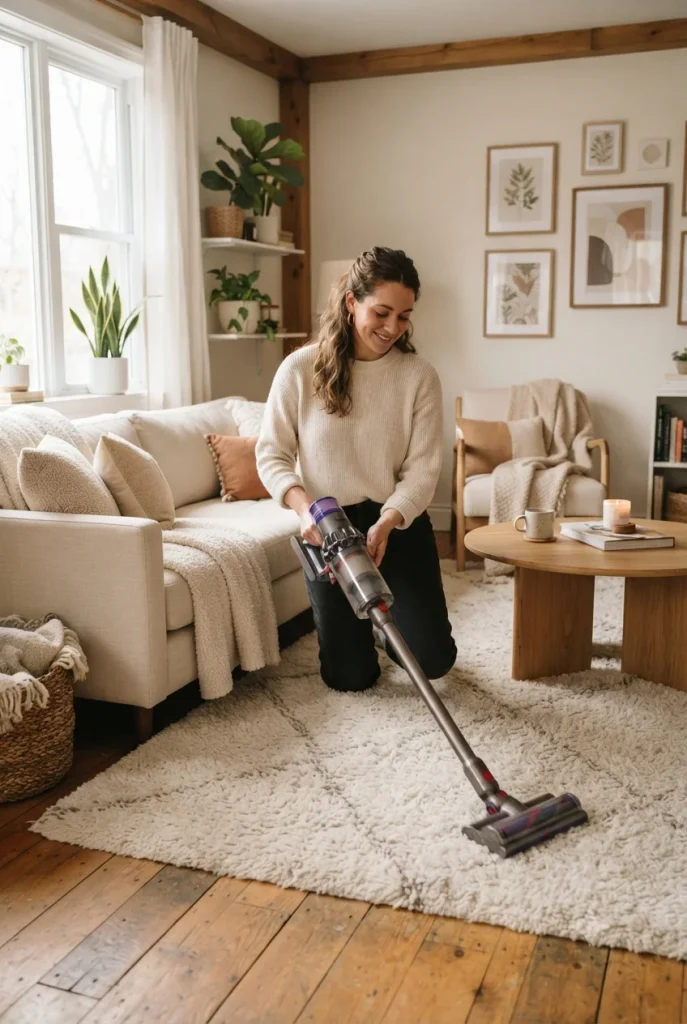
Before you touch any cleaner or water, vacuuming is always the first step. Dust, dirt, and grit sit deep inside the fibres, and if you skip this step, you basically end up grinding that dirt further into the rug when you clean it. A slow, gentle pass with a vacuum on a low suction setting lifts out loose debris without pulling at the fibres.
It also helps to vacuum both sides of the rug if it’s small enough to flip. Dirt and dust often collect on the underside too, especially if the rug sits on hardwood or tile. Flipping it over and giving it a light vacuum keeps both layers fresh and prevents buildup you can’t see from the top.
If your rug has a delicate weave, like a shag or a hand-knotted design, turn off the beater bar on your vacuum. The spinning brush can snag loose threads and cause unravelling over time. A simple suction-only pass is much safer and still gets the job done.
2. Check the Rug’s Fibre Type First
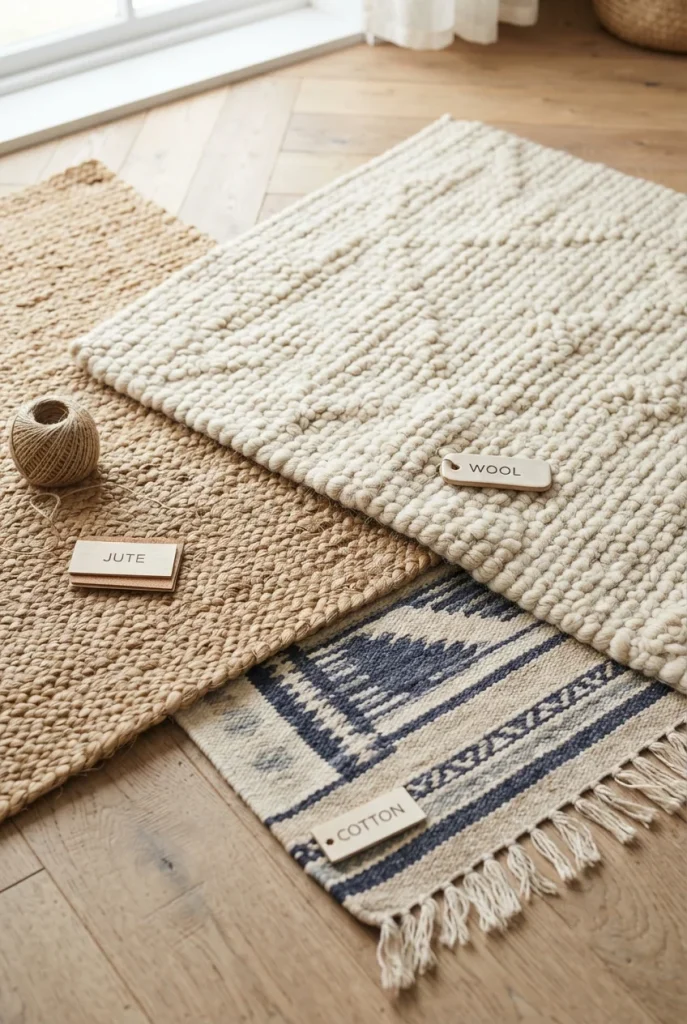
Every rug is not built the same, and that’s why the cleaning method matters so much. Wool, cotton, silk, jute, and synthetic fibres all react differently to water, heat, and cleaning products. Before you clean an area rug, flip the corner over and check the tag, or search the brand and material online if you’re unsure.
Natural fibres like wool and silk are more sensitive and can shrink, discolour, or lose shape if soaked or exposed to harsh chemicals. Synthetic rugs made from nylon or polypropylene tend to be more durable and forgiving, which makes them easier to spot clean or even hose down outside. Knowing this ahead of time saves you from a costly mistake.
Once you know the fibre type, you can match the right cleaner, water temperature, and drying method to it. This one step alone prevents most common damage people accidentally cause, like fading, stiffness, or fibres that feel rough after cleaning.
3. Spot Test Any Cleaner Before Full Use

It’s tempting to grab a cleaner and go, but skipping the spot test is one of the most common ways people damage a rug. Apply a small amount of your cleaning solution to a hidden corner, like the back edge or under a piece of furniture, and wait a few minutes. This tells you whether the colour will bleed or the fibres will react badly.
After the wait, blot the spot with a clean white cloth. If any colour transfers onto the cloth, that’s a clear sign the cleaner is too harsh for that rug, and you should switch to something milder. This small test takes less than five minutes but can save your whole rug from permanent discolouration.
Spot testing matters even more with rugs that have bold patterns or dyes, since some dyes are more prone to bleeding than others. Once you confirm the cleaner is safe, you can move forward with confidence instead of guessing and hoping for the best.
4. Blot Stains Instead of Scrubbing
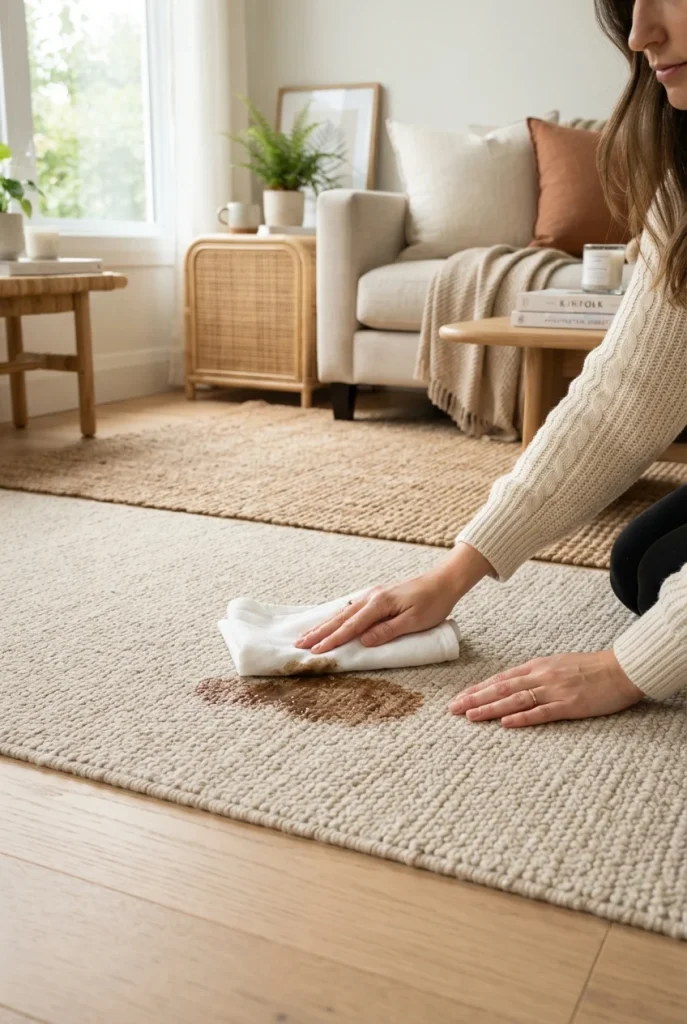
When a spill happens, the natural reaction is to scrub it hard and fast. But scrubbing actually pushes the stain deeper into the fibres and can permanently fray or flatten them. The better move is to blot gently from the outside of the stain toward the centre, using a clean cloth or paper towel.
Blotting lifts the liquid up and out instead of spreading it around. Press down firmly but don’t rub back and forth, since that friction damages the fibre texture over time. Repeat with a fresh section of cloth until no more liquid transfers, then move on to a gentle cleaner if needed.
This method works for almost every kind of spill, from wine to coffee to pet accidents. Acting quickly matters too, since the longer a stain sits, the harder it becomes to lift without aggressive scrubbing, which is exactly what you’re trying to avoid.
5. Use a Mild, pH-Balanced Cleaning Solution

Harsh chemicals might clean fast, but they also strip natural oils from fibres like wool, leaving them dry, brittle, and prone to breaking. A mild, pH-balanced cleaner is much gentler and still lifts dirt and stains effectively. You can even make a simple solution at home using a few drops of dish soap mixed with cool water.
Avoid anything with bleach, ammonia, or strong solvents unless the rug is specifically labelled as safe for those products. These ingredients can fade colours and weaken the backing that holds the fibres in place. Reading the label before buying a rug cleaner is a small habit that protects your rug long-term.
If you’re ever unsure, rug-specific cleaners made for the exact fibre type are worth the extra cost. They’re formulated to clean without disrupting the natural texture, and using the right product from the start means less repair work and fewer replacement rugs down the road.
6. Avoid Soaking Natural Fibre Rugs

Soaking feels like a deep clean, but for natural fibre rugs, it can be one of the worst things you do. Wool, jute, and sisal absorb water easily, and too much moisture can weaken the backing, warp the shape, or even cause mould to grow underneath if it doesn’t dry fast enough. A damp cloth or light misting is almost always safer than a full soak.
If your rug genuinely needs a deep clean, it’s better to work in small sections rather than drenching the whole thing at once. This way, you control how much moisture goes in and how quickly it can dry out, which protects both the fibres and the structure underneath.
For heavily soiled natural fibre rugs, professional cleaning is often the safer choice. Professionals have equipment that removes dirt without oversaturating the material, something that’s hard to replicate safely with household tools at home.
7. Dry Your Rug Flat, Never Folded

After cleaning, how you dry the rug matters just as much as how you cleaned it. Folding a damp rug traps moisture between the layers, which can lead to mildew, a musty smell, or permanent creasing in the fibres. Always lay it flat on a clean, dry surface so air can reach every part evenly.
If you can dry it outdoors, choose a shaded spot rather than direct sun, since strong sunlight can fade colours over time. A breezy, covered area works best, letting air move through the fibres without exposing them to harsh UV rays that weaken natural dyes.
Using fans indoors also speeds up drying safely without any heat damage. Just make sure the rug is completely dry before placing it back on the floor or rolling it up for storage, since even a little dampness left behind can lead to odour or fibre weakening.
8. Rotate Your Rug Regularly to Prevent Wear
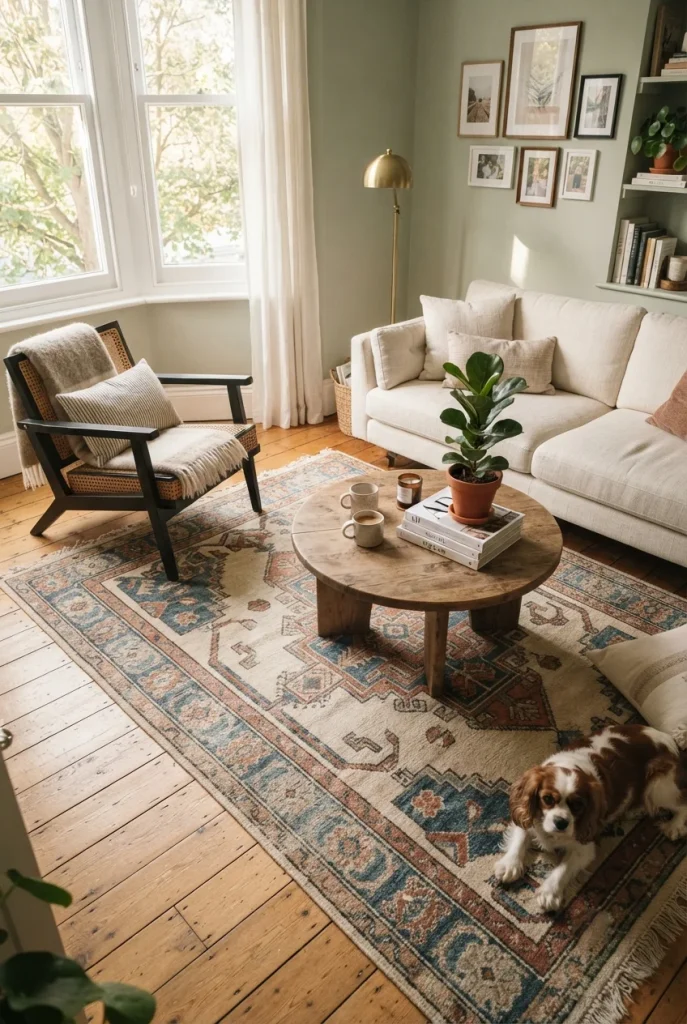
Cleaning isn’t the only way to protect your rug’s fibres; prevention matters too. Foot traffic and sunlight exposure hit certain areas of a rug harder than others, which causes uneven wear and fading over time. Rotating your rug every few months evens out that wear so the whole piece ages at the same pace.
This simple habit is especially helpful for rugs placed in high-traffic areas like hallways or in front of doors. Rotating 180 degrees redistributes the pressure points and sun exposure, keeping the pile looking fuller and more even for much longer than if it stayed in one position.
It’s a small task, but it makes a noticeable difference in how long your rug keeps its original texture and colour. Pair this habit with your regular vacuuming schedule, and your rug will need far less deep cleaning overall.
9. Use a Rug Pad for Extra Protection

A good rug pad does more than stop slipping; it actually protects the fibres from the inside out. Without a pad, friction between the rug and the floor wears down the backing faster, which weakens the fibres attached to it. A cushioned pad absorbs that friction and adds a layer of support underneath.
Rug pads also improve airflow, which helps the rug dry faster if it gets damp and reduces the chance of mould or mildew forming underneath. This is especially useful in humid climates or bathrooms and kitchens where spills and moisture happen more often.
Choosing the right thickness matters too. A pad that’s too thin won’t offer much protection, while one that’s too thick can cause the rug edges to curl. Most home decor and rug stores can help match the right pad to your specific rug size and fibre type.
10. Deep Clean Wool Rugs with Care

Wool rugs are beautiful, but they need a gentler deep cleaning approach compared to synthetic materials. Hot water and strong detergents can strip the natural lanolin in wool fibres, leaving them dry and rough over time. Cool water and wool-safe cleaners are always the better choice.
When deep cleaning wool, work in sections and use a soft brush rather than a stiff one. Gentle circular motions lift dirt without crushing the pile, and rinsing with a barely damp cloth removes soap residue that can attract more dirt if left behind.
Because wool holds moisture longer than synthetic fibres, drying time is especially important here. Give wool rugs extra time in a well-ventilated space, and avoid placing them back on the floor until you’re fully confident they’re dry all the way through, including the backing.
11. Handle Silk and Delicate Rugs Professionally

Silk rugs and other delicate, hand-woven pieces are not made for DIY deep cleaning. The fibres are thin, the dyes are often more sensitive, and one wrong move with water or a cleaning product can cause permanent damage that’s impossible to reverse. These rugs are worth the investment of professional care.
At home, the safest thing you can do for a silk rug is light, regular vacuuming on the lowest suction setting and immediate blotting of any spills. Anything beyond that should be left to specialists who understand how to handle delicate natural fibres without stripping their sheen or strength.
Think of professional cleaning as protecting your investment rather than an unnecessary expense. A well-cared-for silk or delicate rug can last for generations, but only if it’s cleaned the right way from the very beginning.
12. Freshen Up Rugs Between Deep Cleans

You don’t need a full deep clean every time your rug looks a little dull. Sprinkling baking soda over the surface, letting it sit for fifteen to twenty minutes, then vacuuming it up is a simple way to lift odours and light dirt without any moisture or harsh products involved.
This kind of light refresh is perfect for rugs in busy rooms like living rooms or entryways where dirt builds up fast. Doing this every couple of weeks keeps the fibres looking fuller and reduces how often you need a deeper, more intensive clean.
Small, consistent care always beats occasional heavy cleaning when it comes to protecting fibres. A rug that gets a little attention regularly will stay softer, brighter, and more durable than one that only gets cleaned when it looks visibly dirty.
Conclusion
Keeping a rug clean without damaging it really comes down to patience and using the right method for the right fibre. Small habits like vacuuming gently, blotting instead of scrubbing, and drying rugs flat make a bigger difference than people expect. With these 12 tips, your rug can stay soft, vibrant, and full of life for years to come, making your home decor feel fresh every single day.